 how-to
Does Window Tint Reduce Glare? A Practical Guide
Table of Contents
- How Window Tint Reduces Glare
- Ceramic Window Tint for Glare Reduction
- Window Tint VLT and Visibility: Understanding Film Performance
- Daytime Driving Comfort and Windshield Tint
- Window Tint at Night: Visibility Challenges and Limitations
- Home Window Tint for Glare in Office and Living Spaces
- Alternatives and Complementary Solutions to Reduce Glare
- Conclusion
- Frequently Asked Questions
Last Updated: October 7, 2026
How Window Tint Reduces Glare
Window tint reduce glare by filtering incoming light and limiting the amount of visible light that passes through the glass. When sunlight hits tinted film, the material absorbs and reflects a portion of that light before it enters your vehicle or home.
The way this works comes down to film composition. Quality window tint contains layers of dye and metallized particles that block specific wavelengths of light. As light tries to pass through, these particles scatter and absorb the energy.
Here's what matters: not all light is equal. Window tint that reduces glare effectively targets the brightest, most uncomfortable wavelengths while maintaining enough visibility for safe driving. This distinction is critical. A heavily tinted window might block light, but if it blocks the wrong spectrum, you'll still experience eye strain.
At Signs and Window Tinting LLC, we've installed thousands of window tints across Automotive Window Tinting and Residential Window Tinting applications. The most common question we hear is whether tint will actually solve glare problems.
Ceramic tint performs exceptionally well for glare reduction because it uses non-metallic particles instead of metal. This means better light filtering without the interference that metal-based films can cause with electronics and radio signals.
Ceramic Window Tint for Glare Reduction
Ceramic window tint stands apart from traditional dyed and metallic films because of how it handles light. Ceramic particles are non-conductive and don't interfere with cell signals, GPS, or radio frequencies. More importantly for glare, ceramic film excels at filtering harsh light without creating the dark, reflective appearance of older tint styles.
The ceramic composition allows for better light transmission control. You get effective glare reduction at lighter tint percentages than you'd need with dyed film. This means you maintain better visibility while still cutting harsh brightness. Many drivers prefer this balance, you can see clearly at night but enjoy significant glare relief during the day.
Ceramic tint also resists fading better than dyed alternatives. Over years of sun exposure, cheaper tint films turn brown and lose their glare-reducing effectiveness. Ceramic maintains its performance longer, meaning your investment continues protecting your eyes and comfort for extended periods.
The trade-off is cost. Ceramic film typically costs more than basic dyed tint. However, if glare reduction is your primary goal and you want long-lasting results, ceramic delivers better performance. It's the choice we recommend for vehicles that spend extended time in bright sunlight or homes with large south-facing windows.
Window Tint VLT and Visibility: Understanding Film Performance
Visible Light Transmission, or VLT, is the percentage of visible light that passes through tinted glass. A 50% VLT tint allows half the incoming light to pass through. A 20% VLT blocks 80% of light.
The relationship between VLT and glare reduction isn't straightforward. Lower VLT percentages block more total light, which reduces overall brightness. However, glare isn't just about brightness, it's about contrast and harsh wavelengths.
Quality window film uses selective light filtering. This means it blocks the harshest, most glare-causing wavelengths while allowing more neutral light through. A 50% VLT ceramic tint often provides better glare reduction than a 35% VLT dyed tint because of how each film handles different light frequencies.
When selecting tint for glare reduction, check the film's light transmission specifications. Reputable manufacturers publish detailed performance data showing not just VLT percentage, but how the film performs across different light conditions. This information helps you match film performance to your actual glare problems.
For automotive applications, legal limits on front window tint vary by location. Many states restrict front-side window tint to 50% VLT or higher to maintain safe visibility. Rear windows typically allow darker tint. Understanding these limits prevents costly mistakes and ensures your glare solution stays legal.
Daytime Driving Comfort and Windshield Tint
Daytime driving glare comes primarily from sun reflecting off the road surface and bouncing off oncoming vehicles. This reflected light creates harsh brightness that forces your eyes to work harder and increases eye strain during long drives.
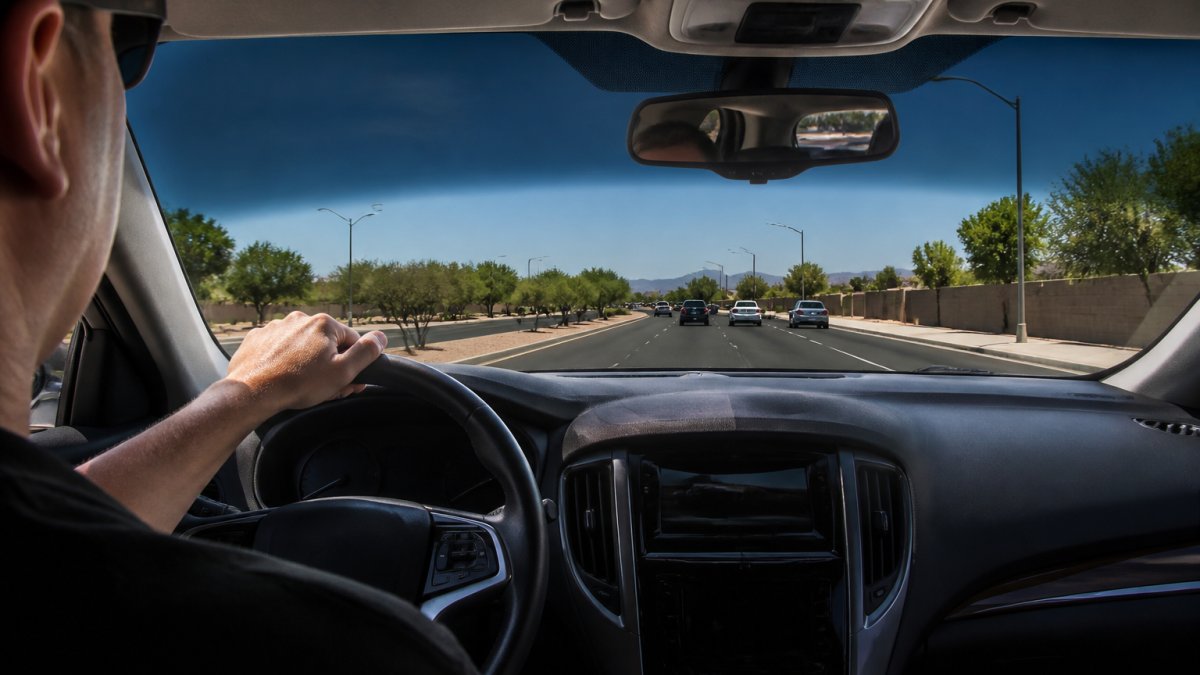
Windshield tint presents a special case. Most states don't allow dark tint on windshields because it interferes with visibility and safety systems. However, many vehicles come with factory windshield tint, a light, non-reflective coating that reduces glare without blocking visibility. Aftermarket windshield tint options exist but face legal restrictions.
The practical solution for windshield glare is side-window and rear-window tint combined with sun visors or anti-glare coatings on the windshield itself. These elements work together to reduce the total light entering your vehicle during peak sun hours.
Dashboard glare, the bright reflection off your dashboard, responds well to window tint. Darker tint on side windows reduces light that bounces off interior surfaces. This secondary effect often matters more than direct light reduction for dashboard comfort.
Window Tint at Night: Visibility Challenges and Limitations
This is where window tint's limitations become apparent. At night, the same film that reduces daytime glare becomes a visibility obstacle. Tinted windows reduce the amount of light entering your vehicle, which means less ambient light reaches your eyes when driving after dark.
The physics here works against you. Your eyes need sufficient light to process visual information safely. Tint that blocks 50-70% of light during the day continues blocking that same percentage at night, when ambient light is already scarce.
Many drivers adapt by using sun visors at night or accepting reduced visibility as a necessary compromise. Others choose lighter tint percentages, 50% VLT or higher, that provide meaningful daytime glare relief without severely impacting nighttime driving.
Headlight glare from oncoming vehicles is particularly problematic with tinted windows. The tint reduces your ability to see the headlight source clearly, making it harder to judge distance and speed. This is one reason many experienced drivers recommend against very dark tint for vehicles used primarily at night.
Consider your actual driving patterns before committing to dark tint. A vehicle used mainly for daytime commuting can tolerate darker tint than one used for evening or night driving. If you frequently drive after sunset, prioritize lighter tint percentages that balance daytime comfort with nighttime safety.
Home Window Tint for Glare in Office and Living Spaces
Residential window tint solves a different glare problem than automotive tint. Indoor glare comes from direct sunlight hitting screens, work surfaces, and reflective interior finishes. This glare causes eye strain, reduces screen visibility, and makes spaces uncomfortably bright during peak sun hours.
Home office environments benefit significantly from window tint that filters harsh light. A south-facing or west-facing window that creates afternoon glare on monitors responds well to medium-darkness tint. Many homeowners report reduced headaches and improved focus after installing Residential Window Tinting.
Living spaces require a different balance than offices. You want glare reduction without losing the natural light that makes spaces feel open and inviting. Lighter tint percentages, 50-70% VLT, often work better for residential applications than the darker tint suitable for vehicles.
Residential tint also provides secondary benefits beyond glare reduction. The same film that filters harsh light also blocks UV rays and reduces heat gain. These benefits combine to improve comfort while lowering cooling costs during summer months.
Privacy is another factor in residential tint selection. Many homeowners choose tint that reduces glare while also limiting visibility into their spaces from outside. This dual benefit makes residential tint an attractive solution for ground-floor offices, bathrooms, or spaces adjacent to neighbors.
Alternatives and Complementary Solutions to Reduce Glare
Window tint isn't the only way to address glare. Understanding alternatives helps you choose the best solution for your specific situation.
Sun visors and shades remain the simplest glare solution. A quality sun visor blocks direct sunlight without permanent installation. For vehicles, repositionable visors provide flexibility.
Anti-glare coatings applied to windshields or interior surfaces provide another option. These coatings reduce light reflection without blocking as much visible light as tint film. They work best for specific surfaces rather than entire windows.
Polarized sunglasses address glare at the source, your eyes. Quality polarized lenses filter the same harsh light that causes eye strain. Many drivers find that polarized sunglasses eliminate the need for dark window tint.
Landscaping and architectural solutions work for homes. Shade trees, awnings, and exterior screens reduce direct sunlight before it hits windows. These permanent solutions integrate with your property's design while providing natural glare control.
Combining approaches often works better than relying on one solution. A vehicle might use lighter window tint combined with quality sunglasses and a sun visor for maximum flexibility.
The best solution depends on your specific glare source, how much control you want, and whether you prefer permanent or temporary fixes. Window tint excels when you want long-term, low-maintenance glare reduction.
Conclusion
Does window tint reduce glare? Yes, quality window film filters harsh light and improves visual comfort for both automotive and residential applications. The key is matching tint performance to your actual glare problem and understanding the trade-offs, particularly for nighttime visibility.
Ceramic tint delivers superior glare reduction compared to older dyed films. It filters light more effectively, resists fading, and maintains performance over years of sun exposure. Lighter tint percentages, 50-70% VLT, balance daytime glare relief with nighttime safety for most driving conditions.
For homes, residential window tint solves screen glare and harsh brightness in offices and living spaces. The same film that reduces glare also blocks UV rays and reduces heat, making it an efficient multi-benefit solution.
If afternoon glare is affecting your driving comfort or making your home office difficult to work in, window tint offers a proven solution. Signs and Window Tinting LLC has over 35 years of experience installing premium ceramic and performance films for Automotive Window Tinting, Residential Window Tinting, and Commercial Window Tinting applications. Our customer-first approach ensures we match the right film performance to your specific glare challenges, delivering long-lasting results that improve comfort and reduce eye strain. Get a Free Quote! today and discover how professional window tinting can transform your space.
Frequently Asked Questions
Does window tint actually reduce glare, or does it just make the windows darker?
Window tint reduces glare by filtering visible light and blocking UV rays, which are the primary causes of harsh brightness and eye strain. Tint darkness and glare reduction are related but distinct: darker tint blocks more light overall, but the film's ability to filter specific wavelengths determines how effectively it cuts glare. Ceramic tint, for example, reduces glare without requiring extremely dark film, making it possible to improve comfort while maintaining acceptable visibility.
Can I use window tint for glare reduction at night, or will it make driving unsafe?
Window tint reduces nighttime visibility because it limits light transmission when you need maximum visibility. Oncoming headlights and streetlights pass through tinted windows less effectively, making it harder to see clearly and increasing eye strain during night driving. Most drivers find moderately tinted windows manageable at night, but darker tints significantly compromise safety. If night driving is frequent, consider lighter tint percentages or focusing tint on side and rear windows rather than the windshield.
How much does ceramic window tint cost compared to standard film?
Window tint pricing depends on your vehicle type, the number of windows being tinted, film quality, and installation complexity. For accurate pricing on automotive or residential window tinting, contact Signs and Window Tinting LLC for a free quote tailored to your specific project.
Will home window tint for glare fade or bubble over time?
High-quality window film installed by experienced professionals resists fading and bubbling when using premium materials and proper installation techniques. Signs and Window Tinting LLC has over 35 years of experience applying durable films that maintain their performance and appearance. Film longevity depends on quality, installation precision, and exposure to UV rays and temperature extremes. Ask about warranty coverage when getting your residential or automotive tint installed.