 blog
Best Automotive Window Tinting Services
Table of Contents
- Why Professional Automotive Window Tinting Matters
- Ceramic Window Tint Benefits vs. Other Film Types
- Automotive Window Tint Laws by State
- Car Window Tinting Cost Breakdown
- Professional Installation Process and What to Expect
- How to Maintain Window Tint for Long-Term Performance
- Signs of Film Degradation and When to Replace
- Frequently Asked Questions
Last Updated: September 18, 2026
Why Professional Automotive Window Tinting Matters
Professional automotive window tinting protects your vehicle's interior, reduces energy costs, and improves driving comfort by addressing heat buildup that damages upholstery, harmful ultraviolet rays that fade dashboards and seats, and glare that strains your eyes during long drives.
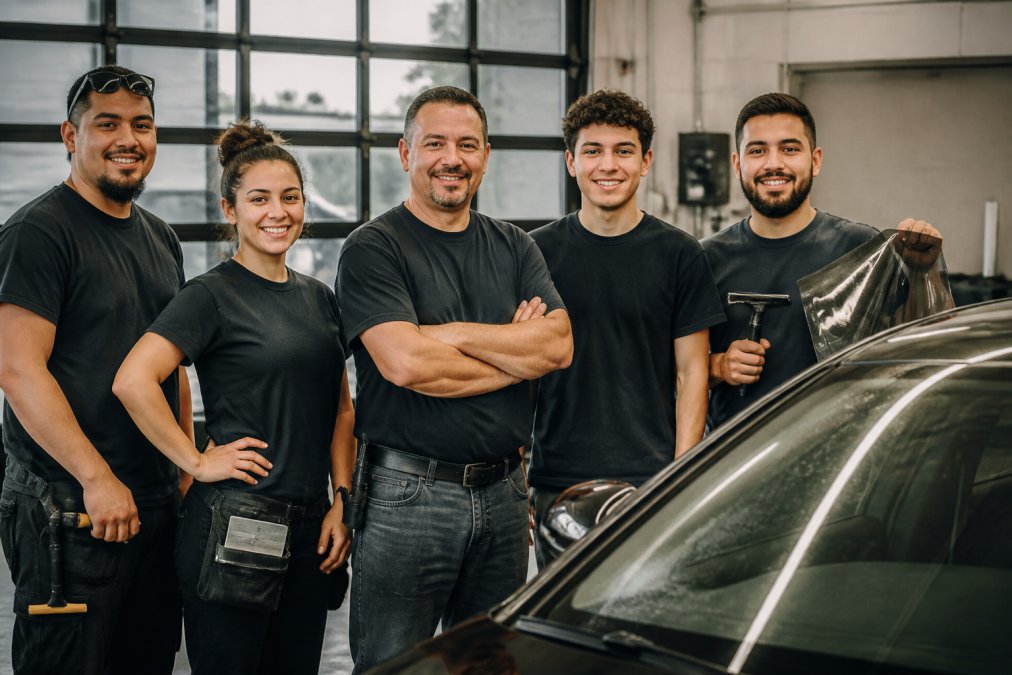
Professional installation ensures bubble-free application and proper adhesion using proven techniques, premium films, and precision tools. DIY attempts typically bubble, peel, and turn brown within months. Signs and Window Tinting LLC brings over 35 years of expertise to every installation.
Quality tinting reduces cabin temperature significantly, protecting upholstery and dash materials from solar heat degradation and improving comfort during hot months.
Ceramic Window Tint Benefits vs. Other Film Types
Ceramic window film represents the highest tier of automotive window tinting technology. Unlike traditional films, ceramic formulations contain non-conductive particles that block infrared rays without interfering with radio signals or GPS functionality. This means you get superior heat rejection without any performance trade-offs.
Ceramic Film Technology
Ceramic film blocks infrared radiation responsible for cabin heat buildup without fading or developing brown discoloration common with older dyed films.
Visible light transmission (VLT) percentage determines how much visible light passes through the tint.
Benefits of ceramic automotive window tinting include:
- Superior infrared rejection
- No signal interference with electronics
- Exceptional durability and fade resistance
- Maintains optical clarity for safer driving
- Non-reflective appearance for a professional look
Carbon and Dyed Film Alternatives
Carbon film offers better heat rejection than dyed film, resists fading more effectively, and provides a matte finish many vehicle owners prefer.
Dyed film is the most affordable option but absorbs solar heat rather than reflecting it, degrading within 2-5 years and providing minimal infrared rejection.
Choose ceramic for superior heat rejection and durability, carbon for mid-range performance, or dyed film for budget-conscious buyers accepting shorter lifespan. Professional installers can recommend the best option for your vehicle and climate.
Automotive Window Tint Laws by State
Automotive window tinting laws vary by state, with specific legal requirements governing visible light transmission (VLT) percentage. Violations can result in fines, failed inspections, and citations.
State-Specific VLT Compliance Reference
Important Compliance Notes:
Medical exemptions exist in some states for photosensitivity or light-sensitive conditions, allowing darker tint with proper documentation. Some states distinguish between sedan and SUV/truck regulations. Factory-tinted glass is typically exempt from VLT restrictions, but adding aftermarket tint over factory-tinted windows must still comply with state law. Police enforcement varies by jurisdiction, and citations can result in fines.
How to Verify Your State's Requirements
Before installation, verify your state's specific requirements through your state's Department of Motor Vehicles website. Professional installers stay current on local regulations and can recommend compliant tint darkness levels.
When contacting an installer, provide your vehicle type and ask them to confirm legal VLT limits. Reputable installers will not recommend non-compliant tint.
Car Window Tinting Cost Breakdown
Professional automotive window tinting costs vary based on vehicle size, film quality, and number of windows.
Film Quality and Price Tiers
Film quality is the primary cost driver. Premium ceramic film delivers superior heat rejection, durability, and appearance compared to dyed film.
Dyed film typically has a shorter lifespan. Carbon film offers a matte finish. Ceramic film blocks infrared radiation and offers long-term value.
Vehicle Size and Installation Complexity
Installation complexity affects cost. Compact sedans cost less than full-size SUVs. Curved windows, tinted factory glass, or complex shapes require more skilled labor.
Warranty and Long-Term Value
Professional installers typically offer workmanship warranties. Premium ceramic film includes manufacturer warranties against fading, bubbling, and peeling.
Warranties cover film defects, installation defects, and delamination, but exclude accident damage, abuse, or improper maintenance.
Impact on Vehicle Insurance and Manufacturer Warranties
Window tinting typically does not affect insurance rates. However, illegal tint citations can affect your driving record and potentially increase insurance costs.
Manufacturer warranties are generally not voided by aftermarket tinting. Use a professional installer and avoid aggressive cleaning to prevent damage to window components.
Luxury vehicle manufacturers may have specific tinting guidance. Check your owner's manual or contact your dealership before installation.
Return on Investment
Ceramic tinting can deliver ROI through reduced air conditioning load, interior protection, and improved comfort.
Getting Accurate Quotes
Contact professional installers directly for accurate quotes based on your vehicle, film selection, and local market conditions. Signs and Window Tinting LLC offers free quotes explaining film options, value, and warranty coverage.
Professional Installation Process and What to Expect
Professional automotive window tinting installation requires precision and typically takes 2-4 hours depending on vehicle complexity.
The installer cleans all windows with specialized solutions to remove dirt, dust, and contaminants that would create imperfections and compromise adhesion.
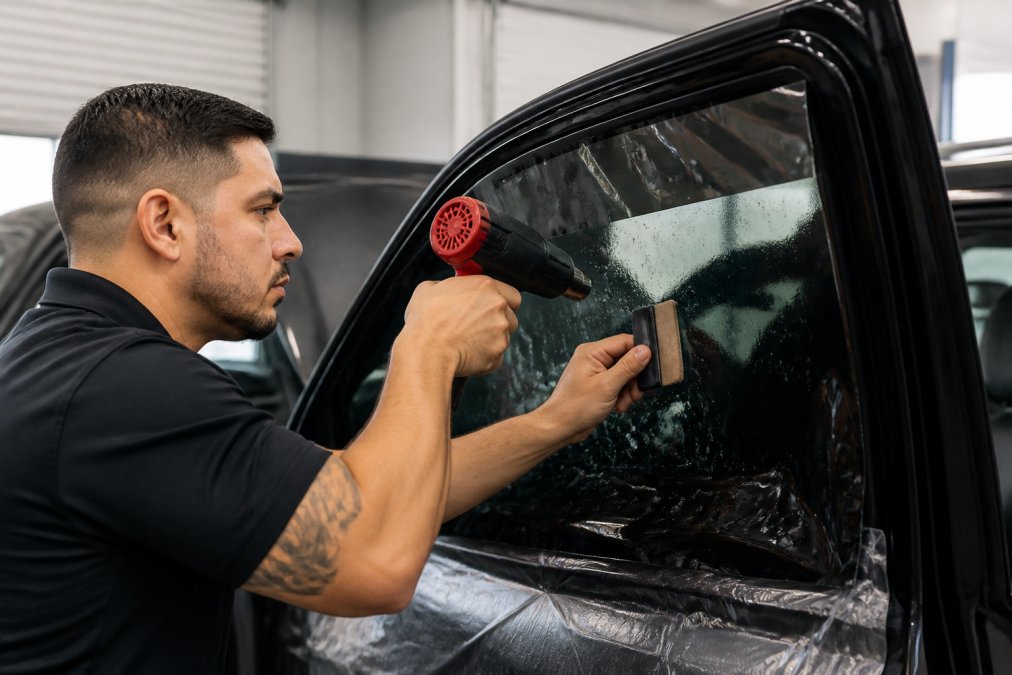
The installer measures and cuts film to match each window's exact dimensions, applies slip solution, and positions the film carefully.
The squeegee application presses film against glass to eliminate air bubbles and ensure complete adhesion. Rushing this phase causes bubbles and wrinkles.
After installation, films require a curing period before rolling down windows or washing the vehicle.
How to Maintain Window Tint for Long-Term Performance
Proper maintenance extends tint life. Avoid rolling down windows or washing your vehicle for a period after installation.
Clean tinted windows regularly with soft microfiber cloths and mild soap. Avoid abrasive cleaners, rough materials, and high-pressure water sprays.
Maintenance includes weekly washing with soft cloths and mild soap, avoiding ammonia-based cleaners, using window shades, and monthly edge inspections.
Use sunshades during hot weather and avoid placing objects against tinted windows.
Ceramic film, carbon film, and dyed film have varying lifespans with proper installation and maintenance.
Signs of Film Degradation and When to Replace
Bubbling indicates adhesive failure or installation defects. Minor edge bubbles may be cosmetic, but widespread bubbling indicates film separation.
Browning or discoloration reduces optical clarity and signals the film's protective properties are diminishing.
Peeling at window edges allows moisture to enter and accelerate degradation.
Haze or cloudiness indicates adhesive breakdown or moisture intrusion and suggests replacement is approaching.
Color fading suggests the film's protective layers are breaking down and UV protection is compromised.
Contact a professional installer to assess damage. Widespread degradation typically requires full removal and replacement.
Professional automotive window tinting delivers measurable benefits: reduced interior heat, protection against harmful UV rays, improved driving comfort, and enhanced privacy. The investment protects your vehicle's interior value while improving your driving experience. Signs and Window Tinting LLC brings over 35 years of expertise to every installation, using premium films and proven techniques to ensure your tint lasts. Contact us today for a free quote and discover how quality automotive window tinting transforms your vehicle's comfort and protection.
Frequently Asked Questions
How long does professional automotive window tinting last?
High-quality ceramic and carbon window films can last for many years with proper maintenance. Premium films from established manufacturers often come with warranties against peeling, bubbling, and discoloration. Dyed films have a shorter lifespan. Longevity depends on film quality, installation expertise, climate exposure, and aftercare. Professional installation ensures maximum durability compared to DIY applications.
What are the ceramic window tint benefits compared to regular tint?
Ceramic window tint offers superior heat rejection without metallic content that interferes with electronics. It provides better optical clarity, maintains visibility without darkening appearance excessively, and resists fading and discoloration over time. Ceramic films also offer enhanced UV protection. While ceramic may cost more upfront than dyed film, the extended lifespan and superior performance can justify the investment for long-term vehicle protection.
What are the legal tint percentage limits in my state?
Automotive window tint laws vary significantly by state, with legal VLT (visible light transmission) percentages depending on window position and state regulations. Some states prohibit reflective or metallic films entirely. Before tinting, verify your state's specific requirements, as violations can result in fines or required removal. Professional installers stay current on legal limits and can ensure your vehicle remains compliant.
How should I maintain window tint to prevent peeling and bubbling?
Allow adequate curing time before rolling down windows after installation. Clean tinted windows with soft cloths and ammonia-free cleaners to avoid adhesive damage. Avoid high-pressure washers directly on tinted areas. Park in shade when possible to reduce thermal stress on the film. Never use sharp objects near tinted windows. Regular gentle cleaning prevents dirt buildup that can trap moisture. Proper aftercare significantly extends film lifespan and prevents common issues like peeling or adhesive failure.