 blog
Best Window Film for Energy Efficiency
Table of Contents
- How Window Film Works for Energy Efficiency
- Types of Window Film: Ceramic vs. Metallic vs. Dyed
- Key Specifications: TSER, Low-E, and Visible Light Transmission
- Commercial Window Film for Heat Reduction
- Window Film vs. Window Replacement Cost
- Window Film Energy Efficiency Tax Credit Opportunities
- Factors to Consider Before Buying Window Film
- Frequently Asked Questions
Last Updated: September 23, 2026
How Window Film Works for Energy Efficiency
Window film works by controlling how much solar heat enters your building. The film's layers reflect infrared radiation and absorb ultraviolet rays before they pass through the glass. This reduces the cooling load on your HVAC system, which lowers energy costs year-round.
The science is straightforward: solar energy travels through untreated windows and heats interior spaces. Window film intercepts this energy at the glass surface. Depending on the film type, it either reflects heat back outside or absorbs it within the film itself. The result is interior temperatures that stay more stable with less air conditioning demand.
The best window film for energy efficiency balances three factors: how much heat it rejects (measured by Total Solar Energy Rejected, or TSER), how much visible light it allows through, and how well it performs in your specific climate.
The exact savings depend on your current window type, local climate, and how much direct sun exposure your building receives.
Types of Window Film: Ceramic vs. Metallic vs. Dyed
Different film compositions reject heat through different mechanisms. Understanding these three main types helps you choose the right film for your needs.
Ceramic Window Film
Ceramic window film uses tiny ceramic particles suspended in the film's adhesive layer. These particles absorb solar energy without creating the reflective appearance of metallic films. Ceramic films maintain high visible light transmission, so your windows stay clear and bright.
Ceramic technology is the premium option. It performs exceptionally well in intense sun and doesn't interfere with radio signals, GPS, or cell phone reception. The tradeoff is cost, ceramic films are more expensive than metallic or dyed alternatives.
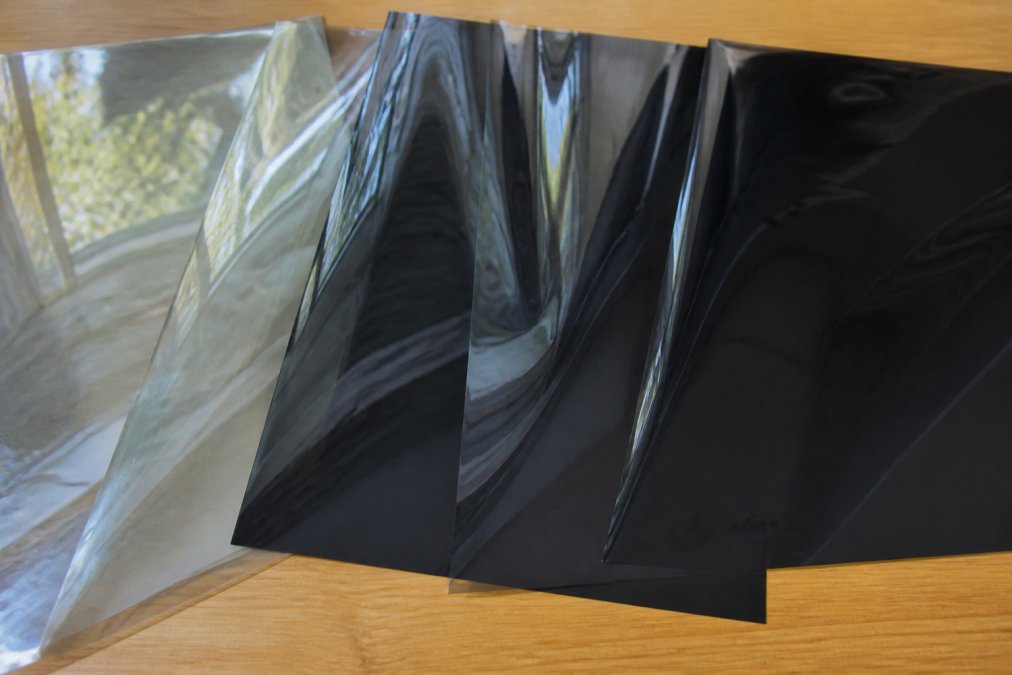
Ceramic is best for commercial buildings, homes with large south-facing windows, and vehicles where signal reception matters.
Metallic Window Film
Metallic window film contains aluminum or other metal particles that reflect solar radiation back outside. These films create a mirrored appearance from outside. Metallic films are durable and cost less than ceramic options.
The downside is signal interference. Metallic films can block cell signals, GPS, and radio reception. They also reflect light, which some building managers and residents find unattractive. Metallic films work well for commercial warehouses, industrial buildings, and vehicles where aesthetics and signals are less critical.
Dyed Window Film
Dyed window film absorbs solar heat using organic dyes layered into the film. These films are the most affordable option and provide a dark, tinted appearance.
Dyed films fade over time when exposed to intense UV radiation, making them a budget solution for temporary needs. Dyed film is appropriate for rental properties, fleet vehicles, or temporary installations where cost matters most.
Key Specifications: TSER, Low-E, and Visible Light Transmission
Three measurements define how well a window film performs for energy efficiency.
Total Solar Energy Rejected (TSER) is the percentage of all solar energy the film blocks. A film with 70% TSER rejects 70% of incoming solar heat. Higher TSER means better cooling performance but often darker appearance.
Low-emissivity (Low-E) coatings reduce heat transfer through the glass itself. Low-E films reflect interior heat back inside during winter, improving insulation. This property is critical in cold climates where heating costs are high. Films with Low-E coatings perform double duty: they reject summer heat and retain winter warmth.
Visible Light Transmission (VLT) measures how much sunlight passes through the film. A film with 50% VLT blocks half the visible light. Lower VLT creates darker interiors but better privacy. Most energy-efficient window films have VLT between 40-60%, balancing light transmission with heat rejection.
When comparing films, ask for all three specifications. A high TSER with high VLT means excellent heat rejection without darkening your space. Low-E properties matter most if you experience significant heating costs.
Commercial Window Film for Heat Reduction
Commercial buildings lose significant energy through windows. Rooftop units work harder to cool spaces with excessive solar gain. Commercial Window Tinting for heat reduction cuts cooling costs by intercepting solar energy before it enters the building.
Large commercial installations benefit most from ceramic or metallic films with TSER above 70%. These films handle intense, all-day sun exposure on south and west-facing walls. Commercial buildings often prioritize heat rejection over aesthetics, making reflective metallic films cost-effective.
Installation on commercial properties requires professional crews. Large-scale application takes days or weeks depending on building size.
Window Film vs. Window Replacement Cost
Window replacement is permanent but expensive. New energy-efficient windows cost significantly more per square foot than window film. Window film offers immediate energy savings at a fraction of replacement cost.
Window film is also non-invasive. Installation doesn't require removing existing windows or structural changes. You can apply film to existing windows and remove it later if needed. Replacement windows are permanent commitments.
For most property owners, window film is the smarter first step. Test energy savings with film before committing to window replacement. If film delivers the comfort and cost reduction you need, you've avoided a major capital expense.
Window Film Energy Efficiency Tax Credit Opportunities
Federal tax incentives support energy efficiency improvements. The Inflation Reduction Act expanded tax credits for residential energy efficiency projects (Home energy tax credits).
Check current IRS guidance on energy-efficient building envelope components. Some films with high TSER and Low-E properties qualify. You'll need documentation proving the film meets the required specifications. Work with your installer to verify eligibility and gather required paperwork for tax filing.
State and local incentives vary. Some regions offer rebates for commercial energy efficiency upgrades, including window film. Contact your utility company or state energy office for current programs.
Factors to Consider Before Buying Window Film
Three key factors determine which film is right for your situation: glass type compatibility, climate and regional needs, and installation quality with warranty protection.
Glass Type Compatibility and Thermal Stress Risk
Different glass types absorb and dissipate heat at different rates. When window film is applied, it reduces the amount of solar energy that passes through the glass, causing the glass to absorb more heat than it did before. This creates thermal stress, uneven heating and cooling across the glass surface, which can lead to cracking or shattering, especially in older or incompatible glass types.
Tempered glass is engineered to withstand thermal stress and is the safest choice for window film. Tempered glass undergoes a heating and cooling process during manufacturing that makes it four to five times stronger than annealed glass. Most modern residential and commercial windows use tempered glass. When applying film to tempered glass, the risk of breakage is low if the film is professionally installed and the glass is not already damaged.
Annealed glass (standard, non-tempered glass) is common in older homes and some commercial buildings. Annealed glass is much more vulnerable to thermal stress. When film is applied to annealed glass, the center of the pane heats up faster than the edges, creating stress that can cause spontaneous cracking weeks or months after installation. Professional installers typically recommend against applying high-TSER films to annealed glass.
Heat-absorbing glass (tinted bronze or gray glass common in 1970s-1990s commercial buildings) is the highest-risk glass type for film application. This glass is designed to absorb solar radiation, which means it gets extremely hot when exposed to sun. Adding window film on top of heat-absorbing glass creates a "double absorption" effect, causing the glass to reach temperatures that exceed its stress tolerance.
Laminated glass (two panes bonded with a plastic interlayer) is common in safety-critical locations like storefronts and skylights. Applying film to laminated glass creates a three-layer assembly (film + glass + interlayer) that may not expand and contract uniformly during temperature changes. This can cause adhesive failure or delamination.
Before purchasing film, have a professional inspect your glass type. If your windows are annealed or heat-absorbing glass, discuss the thermal stress risk explicitly.
Climate and Regional Needs
Your climate determines which film specifications deliver the best return on investment and performance.
Hot, arid climates (desert Southwest, parts of California, Arizona, Nevada, New Mexico, southern Texas) experience intense UV radiation, high daytime temperatures (often exceeding 100°F), and large temperature swings between day and night. In these regions, heat rejection is the primary goal. Low-E properties are less critical in hot climates since heating costs are minimal. Prioritize visible light transmission (VLT) to maintain natural light while rejecting heat.
Hot, humid climates (Southeast, Gulf Coast, South Florida, Hawaii) combine high temperatures with moisture. Window film reduces cooling load, which is critical, but humidity control is equally important. Ensure your HVAC system includes proper dehumidification, as film alone does not control moisture. Low-E coatings provide minimal benefit in these regions.
Temperate climates (Pacific Northwest, upper Midwest, Northeast during summer months, parts of California coast) experience moderate sun with distinct seasons. A balanced approach works best: combined with Low-E coatings to handle winter heating needs. These regions benefit from dual-season performance, heat rejection in summer, heat retention in winter.
Cold climates (northern states, high-altitude regions, mountain areas) prioritize heat retention over heat rejection.
Installation Quality and Warranty
Professional installation is critical for thermal stress management and long-term performance. Poor installation, bubbles, wrinkles, or incomplete adhesion, accelerates film failure and voids most warranties. Professional installers use squeegees, heat guns, and application solutions to ensure proper adhesion and eliminate air pockets. Residential Window Tinting services ensure your installation meets professional standards and protects your investment.
Frequently Asked Questions
Does window film really help with energy efficiency?
Yes. Window film reduces heat transfer by reflecting infrared radiation and blocking ultraviolet rays. Ceramic and spectrally selective films are most effective, rejecting 40-70% of solar heat depending on the product. This lowers cooling costs in summer and, when combined with low-emissivity properties, can reduce heating losses in winter. Results vary by climate, window orientation, and film type.
What is the difference between window film energy efficiency and window replacement cost?
Window film is significantly less expensive than replacement. Window film also preserves existing glass and can be applied to dual-pane windows without removing them. However, window replacement offers permanent solutions.
Can I claim a window film energy efficiency tax credit?
Residential window film may qualify for energy efficiency tax credits under certain federal programs, though eligibility depends on film specifications and your location. Commercial properties may have different incentive programs. Contact a tax professional or your local utility company to confirm current credits and requirements for your property.
How long does energy-saving window film last?
Durability depends on film type, sun exposure, climate, and maintenance. Warranty coverage varies by manufacturer and installer; professional installation from experienced providers often includes warranties against peeling, bubbling, and fading, protecting your investment and ensuring long-term performance.