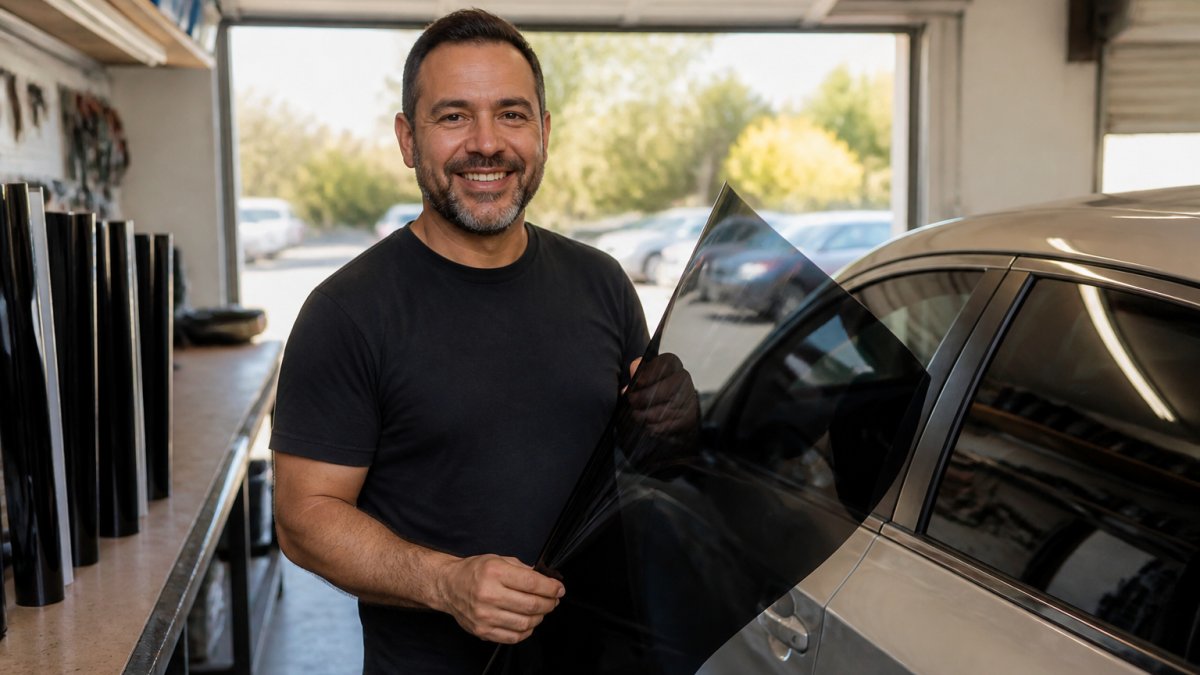
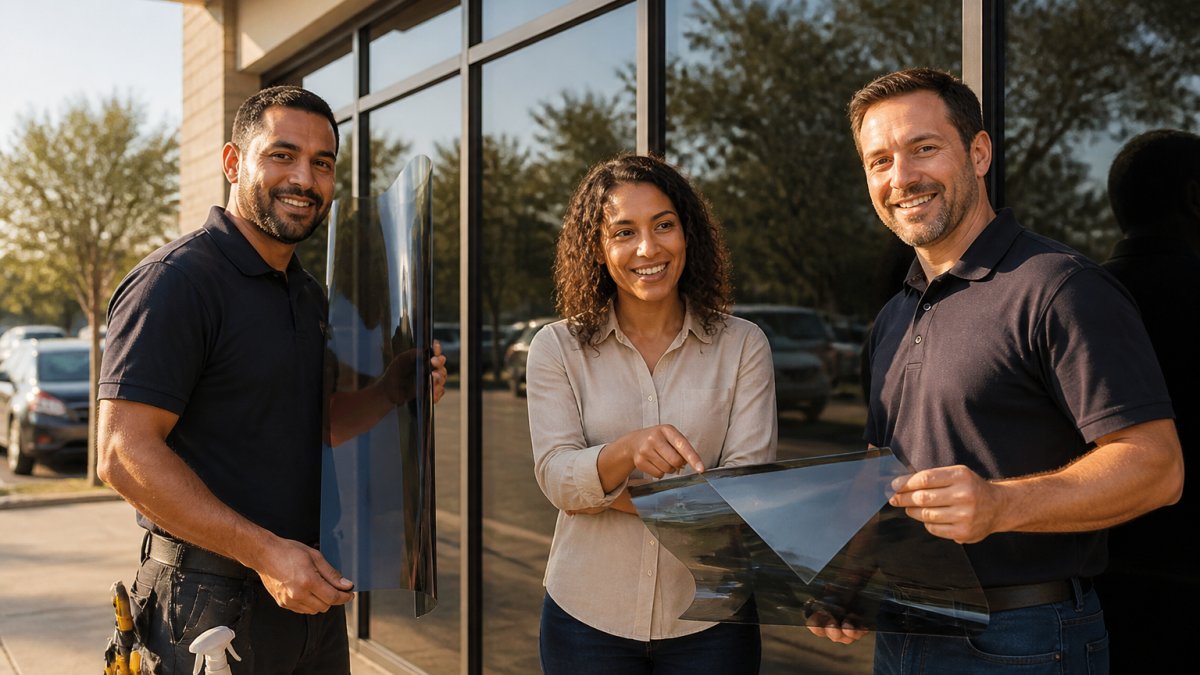
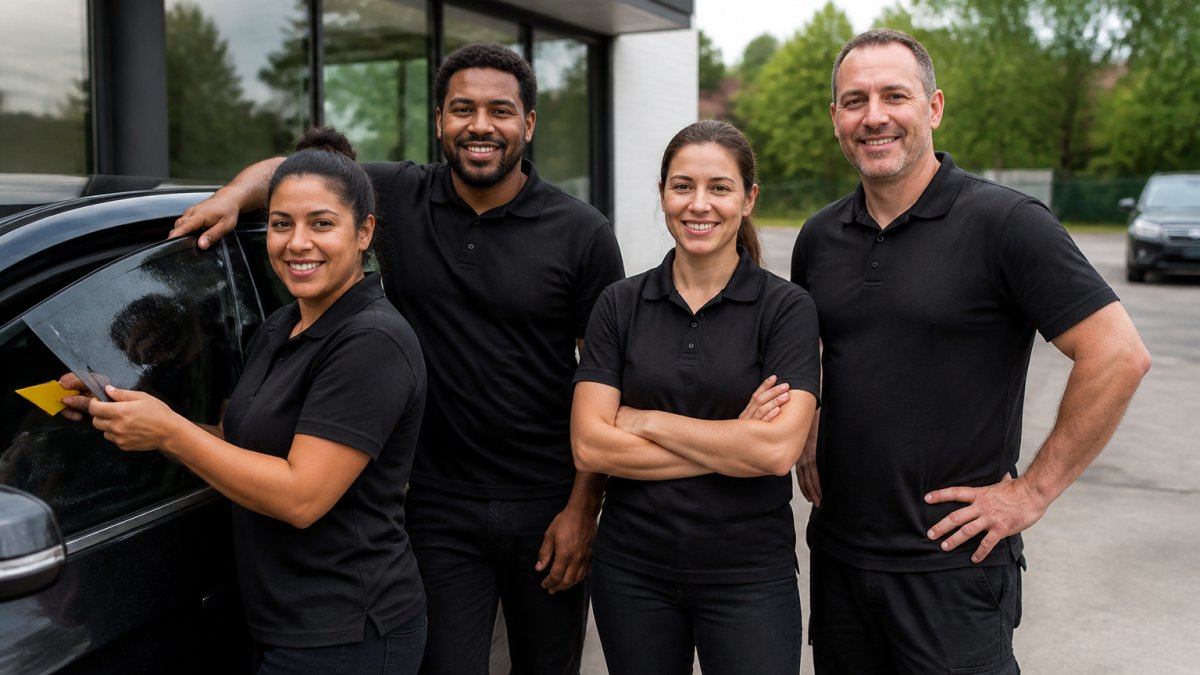
 comparison
Professional Window Tint: Is It Worth the Investment?
Table of Contents
- What Professional Window Tint Delivers
- DIY vs Professional Window Tint: The Real Differences
- How Long Does Window Tint Last and What Affects Durability
- Ceramic Window Tint Cost and Performance Comparison
- Window Tint Aftercare: Protecting Your Investment
- Why Installation Quality Matters More Than You Think
- Conclusion: Making the Professional Window Tint Decision
- Frequently Asked Questions
Last Updated: October 11, 2026
What Professional Window Tint Delivers
Professional window tint reduces heat, blocks UV rays, cuts glare, and enhances privacy. The difference between professional installation and DIY attempts comes down to precision, materials, and longevity.
What separates professional work from amateur results is the right equipment, premium films, and techniques that ensure your tint lasts years, not months.
Professional window tint delivers measurable benefits: heat rejection keeps cabins cooler and reduces air conditioning load; UV protection blocks rays that fade interiors and damage skin; glare reduction improves driving comfort; privacy increases security. These benefits compound, a properly tinted vehicle stays cooler, uses less fuel, and maintains interior condition far longer.
The real value emerges over time. A cheap DIY tint job might peel within a year. Professional window tint, when properly maintained, performs for five to ten years or more. That durability justifies the upfront investment.
DIY vs Professional Window Tint: The Real Differences
DIY installation introduces air bubbles, uneven coverage, and poor adhesion. Bubbles become peeling edges, uneven application creates visible lines, and poor film-to-glass contact causes premature failure. Most DIY attempts use standard dyed film, which fades and discolors within years.
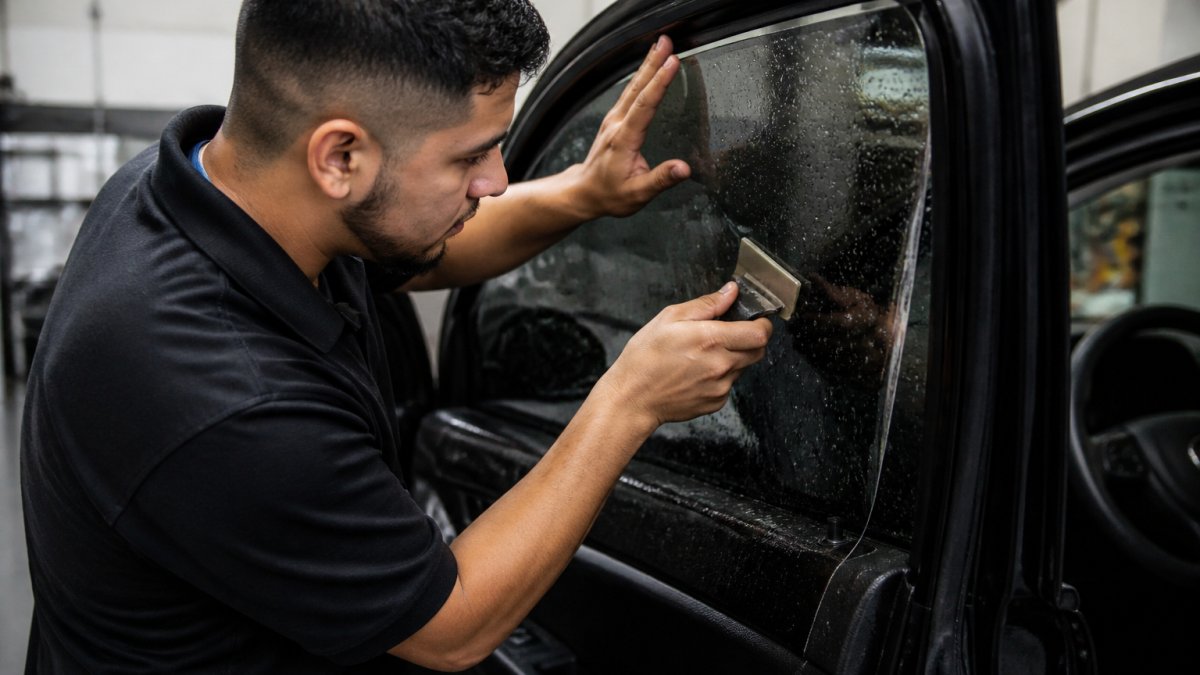
Professional installation uses precision tools, climate-controlled environments, and proven techniques. Technicians measure windows, cut film to exact specifications, and apply it with methodical care. Professional-grade ceramic and hybrid films perform better and last longer than consumer-grade alternatives.
Professional installers clean glass with specialized solutions, use heat guns and squeegees to eliminate air pockets, apply film in controlled conditions, cure properly, and warranty their work. DIY installers typically skip these steps, leading to premature failure and costly replacement.
How Long Does Window Tint Last and What Affects Durability
Professional window tint lasts significantly longer than DIY work. Quality ceramic tint lasts seven to ten years when professionally installed; standard dyed film lasts three to five years; hybrid films fall in between. Durability depends on film type, installation quality, and maintenance.
Installation quality is the biggest factor, poor installation creates weak points where film separates and moisture enters. Film type matters: ceramic films reject heat without fading; dyed films fade quickly; metallic films can interfere with electronics. Maintenance affects lifespan: aggressive cleaning and poor curing shorten life. Climate stress accelerates aging: hot climates and direct sunlight require proper film selection.
Ceramic Window Tint Cost and Performance Comparison
Ceramic window tint costs more upfront but delivers superior performance and longevity. Ceramic films block infrared radiation while maintaining clarity, don't fade or interfere with electronics. Standard dyed films are budget options that fade within years and can actually make vehicles hotter. Hybrid films offer moderate performance at mid-range pricing.
Measurable Performance Specifications
When comparing films, look beyond marketing language to actual performance metrics. These specifications tell you what the film actually does:
Visible Light Transmission (VLT) measures how much visible light passes through the film, expressed as a percentage. A 50% VLT film blocks half the visible light. Higher VLT means more interior brightness; lower VLT means more privacy and glare reduction. Most ceramic films range from 35% to 70% VLT depending on darkness level.
Total Solar Energy Rejected (TSER) indicates the percentage of the sun's total energy the film blocks. This includes visible light, infrared, and ultraviolet radiation. Quality ceramic films typically reject 60% to 80% of total solar energy. Standard dyed films reject 40% to 60%. The difference directly impacts cabin temperature and air conditioning load.
Infrared Rejection (IR Rejection) specifically measures how much heat radiation the film blocks. Ceramic films reject 90% or more of infrared energy, which is why they feel noticeably cooler. Dyed films reject 40% to 60% of infrared. This metric matters most if heat reduction is your priority.
Ultraviolet (UV) Protection shows the percentage of harmful UV rays blocked. Most quality films block 99% of UV radiation. This protects skin and prevents interior fading. Even budget films typically offer strong UV protection, so this metric is less differentiating than heat rejection.
Film Warranties and Coverage
Warranties vary significantly and often exclude common failure modes. Understanding what's actually covered protects your investment.
Bubbling and peeling are the most common warranty claims. Quality ceramic films typically carry five- to ten-year coverage; budget dyed films carry one- to three-year coverage. Discoloration and fading coverage differs by film type, ceramic films often cover discoloration for the full period; dyed films frequently exclude fading. Installation defects should be warranted separately by the installer for one to three years. Common exclusions include accidents, vandalism, extreme weather, improper window operation during curing, harsh chemicals, and ice scraper damage. Transferability varies, confirm whether warranties transfer to a second owner.
Here's the practical comparison:
| Film Type | Heat Rejection | UV Protection | Durability | Fade Resistance | Typical Warranty | Best For |
|---|---|---|---|---|---|---|
| Ceramic | Excellent (70-80% TSER) | Excellent (99% UV) | 7-10 years | Excellent | 5-10 years (bubbling, peeling, discoloration) | Long-term performance, heat-heavy climates |
| Hybrid | Good (55-70% TSER) | Good (99% UV) | 5-7 years | Good | 3-7 years (bubbling, peeling; fading often excluded) | Balanced performance, moderate budgets |
| Dyed | Fair (40-60% TSER) | Good (99% UV) | 3-5 years | Poor | 1-3 years (bubbling, peeling; fading excluded) | Short-term aesthetics, budget constraints |
The ceramic window tint investment makes sense if you plan to keep your vehicle or property for five years or longer. The superior heat rejection, UV protection, and color stability justify the higher cost. For fleet vehicles or properties with frequent turnover, hybrid or standard films may suffice. Always request the film manufacturer's warranty documentation and your installer's workmanship warranty in writing before installation.
Window Tint Aftercare: Protecting Your Investment
Professional window tint requires minimal maintenance, but proper aftercare extends its lifespan significantly. Wait at least three days before cleaning or operating windows, moisture remains between film and glass during curing. After curing, use soft cloths and mild soap; avoid harsh chemicals, squeegees, and ice scrapers near tinted edges. Aggressive cleaning, ammonia-based cleaners, and operating windows during curing compromise adhesion. Following professional aftercare instructions is the difference between a tint that lasts three years and one that lasts ten.
Why Installation Quality Matters More Than You Think
Installation quality determines whether professional window tint is worth the investment. A skilled technician understands how different glass types accept film, how temperature and humidity affect adhesion, and how to eliminate air pockets. They know which films work best for specific vehicles and climates and recognize complications like curved windows and defroster lines. Poor installation creates bubbles, uneven coverage, and premature peeling within months.
The Professional Installation Process and Timeline
Understanding what happens during installation and how long it takes sets realistic expectations and helps you identify shortcuts that signal poor quality.
Pre-installation assessment takes 15-30 minutes. The technician inspects windows, notes curved glass, defroster lines, and sensors, measures windows, and discusses film options and darkness level. A professional asks about vehicle age, climate, and ownership timeline to guide film selection.
Surface preparation is the most critical step. The technician removes trim to access edges, cleans glass with specialized solutions to remove contaminants and oils, uses clay bars to eliminate embedded particles, and dries completely. This phase takes 30-60 minutes and determines whether film adheres properly. Skipping this step causes premature peeling.
Film cutting and application varies by window complexity. For simple windows, the technician cuts to specifications, applies slip solution, positions film, and uses heat guns and squeegees to eliminate air pockets.
Total installation time for a full vehicle typically ranges from 2-4 hours. A shop promising completion in under 90 minutes is likely cutting corners on preparation or application quality.
Curing and Aftercare Expectations
The first 24-72 hours are critical. Moisture remains between film and glass during curing. Do not roll down windows, clean tinted glass, expose to direct sunlight, or subject to extreme temperature changes. Most professionals recommend waiting at least three days before any window operation. After curing, use soft cloths and mild soap; avoid harsh chemicals, squeegees, and ice scrapers near tinted edges. Proper aftercare prevents premature peeling and maintains clarity.
Vehicle-Specific Complications and Costs
Some vehicles present installation challenges that increase complexity, time, and cost. A qualified installer recognizes these and communicates them upfront.
Curved or panoramic windows require custom cutting and more time. Panoramic sunroofs, curved side windows, and wraparound rear glass demand precision and experience. Budget extra time and cost for these features.
Defroster lines (the thin heating wires on rear windows) require careful film cutting to avoid damage. Cutting through a defroster line disables the rear defroster.
Sensors and cameras (rain sensors, lane-departure cameras, proximity sensors) must be worked around. Some modern vehicles have multiple sensors embedded in the windshield or side windows. Improper tinting can interfere with sensor function.
Existing tint removal adds time and cost if you're replacing old film. Removing old tint requires heat guns, scraping tools, and solvents. Improper removal can damage the glass or leave adhesive residue.
Laminated windshields (standard on all modern vehicles) require special care. The film must be applied to the interior side only.
How to Evaluate an Installer
Before committing to installation, use this checklist to assess whether a shop is qualified:
Experience and credentials: Aim for 5+ years in business, certified technicians, specialization in your vehicle type, and customer references. Film documentation: They should offer specification sheets, explain film differences, and provide written manufacturer warranties. Workmanship warranty: They should warranty installation against bubbling and peeling for 1-3 years minimum, in writing. Sample work and facility: Request photos of previous work, confirm climate-controlled installation space, and verify professional-grade tools. Written estimate: Require itemized estimates including film cost, labor, removal, and warranty terms. Communication: They should explain the process clearly, discuss aftercare, and be responsive to questions.
A shop that checks these boxes is likely to deliver quality work. Quality installers combine proper surface preparation, climate-controlled environments, precision techniques, quality checks, and warranties. An installer's experience and attention to detail directly impact your tint's performance and lifespan.
Conclusion: Making the Professional Window Tint Decision
Professional window tint is worth the investment when you prioritize durability, performance, and long-term value. If you want tint that lasts years, rejects heat effectively, blocks UV rays, and maintains appearance, professional installation is the right choice. Quality professional window tint reduces heat and glare, blocks harmful UV rays, improves privacy and comfort, and increases energy efficiency. Whether you're looking for Automotive Window Tinting, Residential Window Tinting, or Commercial Window Tinting, Signs and Window Tinting LLC combines premium films with proven installation techniques to deliver results you can count on.
Frequently Asked Questions
Is professional window tint really better than DIY?
Professional installation delivers superior results because trained technicians have the tools, experience, and controlled environment to apply film without bubbles, creases, or misalignment. DIY tinting often results in visible imperfections, premature peeling, and color distortion within months. Professional window tint also comes with warranties covering adhesion failure and discoloration, whereas DIY work typically has no recourse if problems develop.
How long does professional window tint last?
High-quality professional window tint typically lasts 5 to 10 years or longer, depending on film type and climate conditions. Ceramic window tint films often outlast standard dyed films by several years due to superior UV resistance and color stability. Proper aftercare, including avoiding harsh cleaning methods and allowing adequate curing time, significantly extends lifespan and prevents premature fading, bubbling, or peeling.
What makes ceramic window tint worth the extra cost?
Ceramic window tint delivers superior heat rejection, UV blocking, and color stability compared to standard or dyed films. It maintains its appearance over time without browning or fading, provides better visibility through the tint, and offers improved infrared rejection to keep cabins cooler. For vehicles or homes experiencing intense solar heat, the long-term durability and performance advantages justify the upfront investment.
What should I do after getting professional window tint installed?
Allow the tint to cure for 3 to 5 days before rolling down windows or exposing film to moisture. Avoid washing windows during the curing period and use only soft cloths when cleaning afterward. Keep windows up in rain and don't use high-pressure washers on tinted areas. Proper window tint aftercare prevents peeling, bubbling, and adhesion failure, protecting your investment and ensuring long-term performance.
Ready to protect your vehicle or property with professional window tint? Contact Signs and Window Tinting LLC for a free quote. We'll evaluate your specific needs, recommend the right film type, and deliver installation quality that lasts.