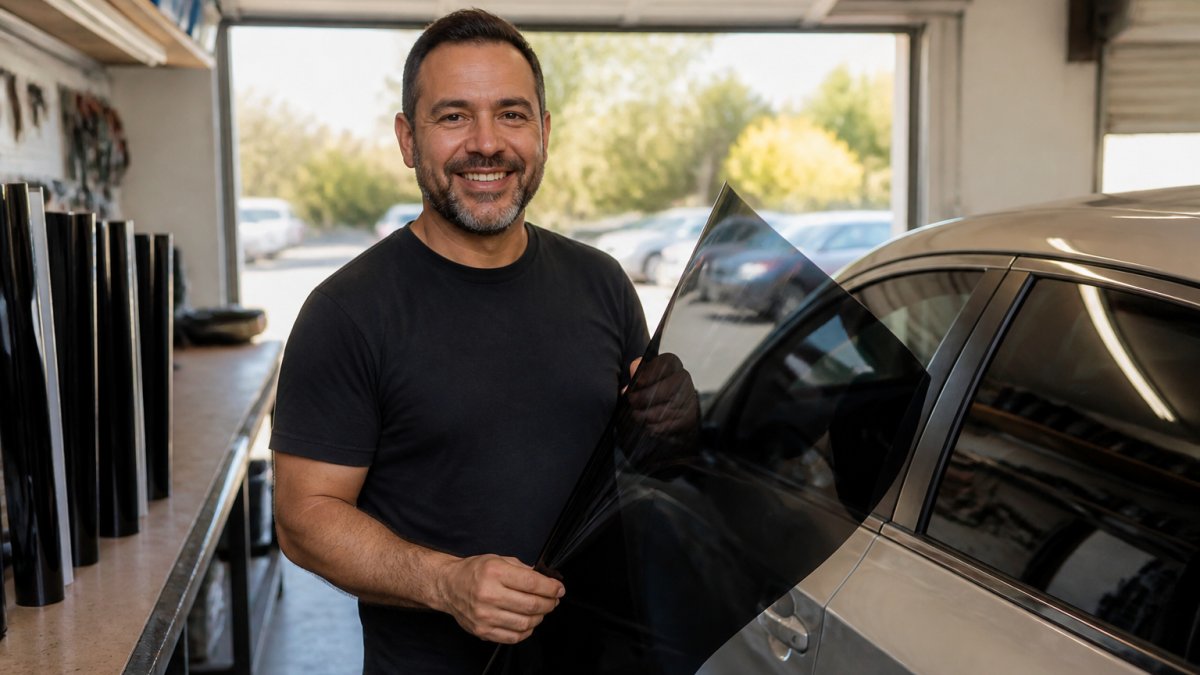
 comparison
Residential Window Tinting: Cost vs. Savings
Table of Contents
- What Residential Window Tinting Costs
- How Energy Efficiency Reduces Your Utility Bills
- Energy Efficiency Tax Credits for Window Film
- Calculating Your Return on Investment
- How Long Does Residential Window Tint Last
- Professional Installation vs. DIY Application
- Beyond Savings: Additional Benefits of Window Film
- Frequently Asked Questions
Last Updated: September 30, 2026
What Residential Window Tinting Costs
Residential window tinting cost depends on several factors that vary significantly from one project to another. The primary variables include the size of your windows, the type of film you choose, your location, and whether you hire professionals or attempt installation yourself.
Most homeowners find that costs break down into two categories: materials and labor. The material cost per square foot varies based on film quality and performance characteristics. Labor costs depend on the complexity of your windows, their accessibility, and your installer's experience level.
Signs and Window Tinting LLC has installed thousands of residential projects and can help you understand what drives pricing in your specific situation. Rather than guessing at costs, getting a free quote allows you to see exactly what your project requires and what the investment looks like for your home.
The type of film you select significantly impacts the overall expense. Basic privacy films cost less than premium heat-rejection films or security films designed to prevent glass breakage. Your choice should reflect what you're trying to achieve: energy efficiency, privacy, UV protection, or a combination of benefits.
How Energy Efficiency Reduces Your Utility Bills
Window film reduces heat transfer through your glass, which means your HVAC system works less hard to maintain comfortable indoor temperatures. This reduction in thermal load directly translates to lower utility bills, particularly during months when heating or cooling demands are highest.
The mechanism is straightforward: window film blocks solar heat gain in summer and provides thermal insulation in winter. Films with high visible light transmission allow daylight in while rejecting infrared radiation. This means your home stays brighter and more comfortable without relying as heavily on air conditioning.
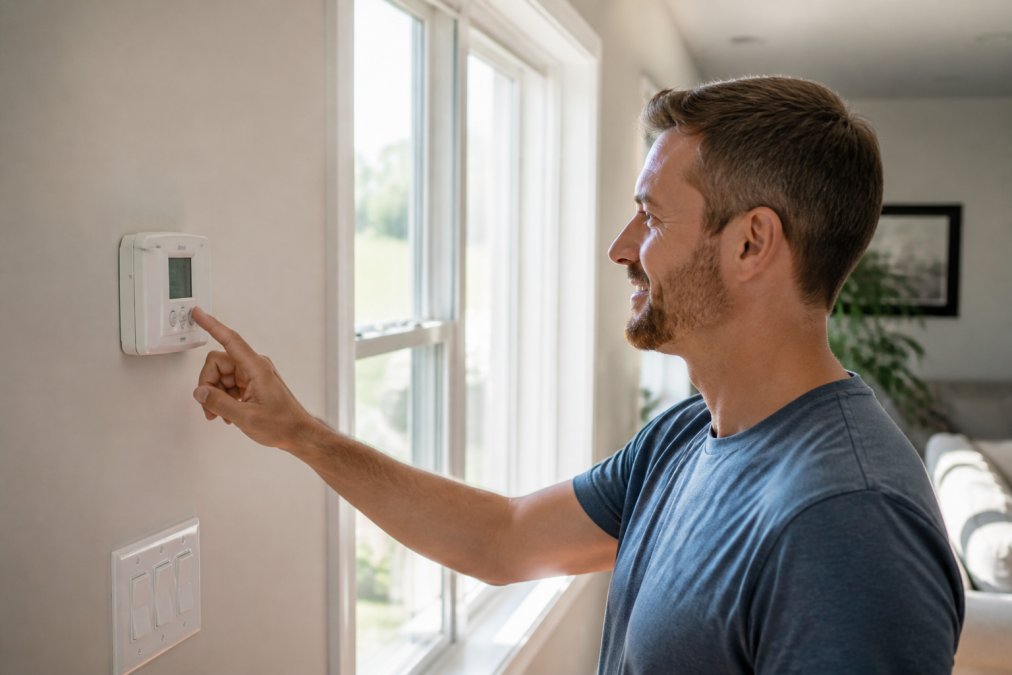
Energy savings vary based on climate, window orientation, and how much of your home receives direct sunlight. A south-facing window in a hot climate will generate more savings than a north-facing window in a temperate zone. The solar heat gain coefficient of your film determines how much infrared energy it blocks.
Many homeowners report noticing comfort improvements before they see utility savings. Rooms feel more consistent in temperature, glare diminishes, and interior fading of furniture and flooring slows significantly. These quality-of-life improvements often matter as much as the financial savings.
Energy Efficiency Tax Credits for Window Film
The federal government offers tax incentives for home energy improvements, and residential window film qualifies under certain conditions. The Energy Tax Credit allows homeowners to claim a percentage of qualified energy-efficient improvements on their tax returns.
To qualify, your window film must meet specific performance standards. The film must reduce heat gain or improve thermal insulation according to standards set by the Department of Energy. Not all window films meet these requirements, so it's important to verify that the product you're considering qualifies before installation.
Documentation from your installer is essential for claiming the credit. Keep all receipts, product specifications, and installation records. The IRS requires proof that the materials installed meet the energy efficiency standards. Signs and Window Tinting LLC provides comprehensive documentation with every installation to support your tax filing.
Consult with a tax professional about your specific situation. Tax credits change annually, and eligibility depends on your income, filing status, and other factors. A qualified tax advisor can confirm whether window film improvements benefit your particular return and calculate the credit amount you can claim.
Calculating Your Return on Investment
Return on investment for residential window tinting cost analysis requires comparing your annual utility savings against your installation cost. This straightforward calculation shows how many years it takes for energy savings to offset the initial investment.
Start by estimating your annual utility savings. If your current cooling costs run high and window film reduces your bill by a measurable amount, that difference is your annual savings. Divide your total installation cost by your annual savings to find your payback period.
Many homeowners see payback periods between 5 and 10 years, depending on their climate and energy costs. In hot climates with expensive electricity, payback can occur faster. In moderate climates, the timeline extends longer, but the long-term savings still justify the investment.
Beyond the financial calculation, consider non-monetary benefits. Reduced glare improves comfort and may decrease headaches. UV protection preserves your furniture, flooring, and artwork. Enhanced privacy adds security and peace of mind. These advantages don't appear on your utility bill but add real value to your daily life.
How Long Does Residential Window Tint Last
Quality residential window film typically lasts 10 to 20 years, depending on film type, installation quality, and maintenance. Premium films from reputable manufacturers often approach the longer end of that range. Budget films may fade or bubble sooner, particularly if exposed to extreme conditions.
Professional installation significantly extends film lifespan. Proper surface preparation, correct application technique, and quality adhesives ensure the film bonds securely to your glass. DIY installations often fail prematurely because the process requires precision and experience.
Maintenance and Cleaning Protocols for Window Film
How you care for your window film directly determines whether it reaches 10 years or 20. Most premature failures stem not from defective materials but from improper cleaning and maintenance.
Safe cleaning practices:
- Wait 30 days after installation before cleaning. The adhesive needs time to fully cure; cleaning too soon can cause peeling or bubbling.
- Use only soft, non-abrasive materials. Microfiber cloths or soft sponges are safe; paper towels, scouring pads, and rough cloths will scratch the film surface.
- Clean with lukewarm water and mild soap. A few drops of dish soap in a spray bottle works well. Avoid ammonia-based cleaners (like Windex), vinegar solutions, and harsh chemicals that degrade the film's protective coating.
- Wipe gently in circular motions. Never scrub or apply pressure. Let the soapy water do the work.
- Dry with a clean, soft cloth to prevent water spots.
What to avoid:
- Abrasive scrubbing or pressure washing
- Ammonia, bleach, or solvent-based cleaners
- Razor blades or sharp objects near the film
- Extreme temperature changes (avoid blasting hot air from heaters directly onto tinted windows in winter)
Climate plays a significant role in longevity.
Professional Installation vs. DIY Application
Professional installation delivers superior results and longer-lasting performance compared to DIY application. Installers have specialized tools, training, and experience that most homeowners lack. They understand how to handle different window types, manage environmental conditions during installation, and achieve bubble-free application.
Compatibility with Modern Window Types and Warranty Concerns
One of the most overlooked aspects of residential window tinting is how it interacts with modern window technology. Many homeowners worry, rightfully, about whether window film will void their window manufacturer's warranty or damage specialized glass coatings.
The key is working with a professional installer who understands these risks and can:
- Assess your specific window type and coating before recommending a film
- Choose films with thermal properties compatible with your glass
- Apply film to the correct surface (usually the exterior or a specific interior pane)
- Provide documentation that the installation was done correctly and with compatible materials
| Installation Method | Time Required | Skill Level | Durability | Cost | Warranty Risk |
|---|---|---|---|---|---|
| Professional | 2-4 hours per window | Expert | 10-20 years | Higher upfront | Minimal (installer assumes liability) |
| DIY | 4-8 hours per window | Intermediate to advanced | 3-7 years | Lower upfront | High (you assume all risk) |
Beyond Savings: Additional Benefits of Window Film
Energy savings are important, but residential window tinting delivers multiple benefits that extend beyond utility bill reduction. UV protection is one of the most significant. Ultraviolet rays fade furniture, artwork, and flooring over time. Window film blocks up to 99% of UV radiation, preserving your interior investments.
Frequently Asked Questions
Is residential window tinting worth the investment?
Whether residential window tinting is worth it depends on your climate, window size, and how long you plan to stay in your home. Homes in hot climates see faster payback periods due to higher cooling costs. Professional window film blocks ultraviolet rejection and reduces solar heat gain coefficient, which lowers HVAC load significantly. Most homeowners break even within 5-10 years through energy savings alone. Additional benefits like privacy, glare reduction, and interior fading prevention add value beyond the financial return on investment calculation.
How much can I expect to save on energy bills with window film?
Energy savings vary based on your climate, window orientation, and film type. Homes in hot climates may see 10-30% reductions in cooling costs during peak seasons. Window film improves thermal insulation by reducing heat transfer through glass, which decreases your HVAC load. Savings depend on your current utility bills, local electricity rates, and the percentage of your home's windows tinted. A professional assessment can estimate your specific payback period based on your square footage and local climate conditions. Request a free quote to understand your potential utility bill reduction.
What are the downsides of residential window tinting?
Common concerns include potential durability issues if installed improperly, reduced visible light transmission in some cases, and compatibility with certain modern window types. Low-quality films may peel, bubble, or turn brown over time. Some homeowners worry about voiding window manufacturer warranties, though quality films applied by professionals typically do not cause this issue. Installation labor costs add to the total expense. Tint percentage choice matters: darker films reduce glare effectively but may feel too dark in lower-light rooms. Professional installation minimizes these risks compared to DIY application.
How is the cost of residential window tinting calculated?
Pricing depends on total square footage, film type (privacy, heat rejection, security), labor complexity, and whether your windows are single-pane or double-pane. Material quality and film durability ratings affect cost. Professional installation includes surface preparation, precise application, and warranty coverage. DIY kits cost less upfront but risk poor results and wasted materials. Factors like window accessibility and frame condition impact labor time. Contact Signs and Window Tinting LLC for a detailed quote based on your specific square footage and film selection.