 ultimate-guide
Ceramic Tint for Trucks: Complete Benefits Guide
Table of Contents
- What Ceramic Window Tint Is and How It Works
- Heat Rejection and Infrared Protection
- Does Ceramic Tint Reduce Heat in Your Truck
- UV Protection and Interior Fading Prevention
- Ceramic Tint vs Regular Tint for Trucks
- Best Ceramic Tint Percentage for Truck Windows
- Ceramic Tint for Trucks Cost and Value
- Installation, Curing, and Long-Term Maintenance
- Frequently Asked Questions
Last Updated: October 15, 2026
What Ceramic Window Tint Is and How It Works
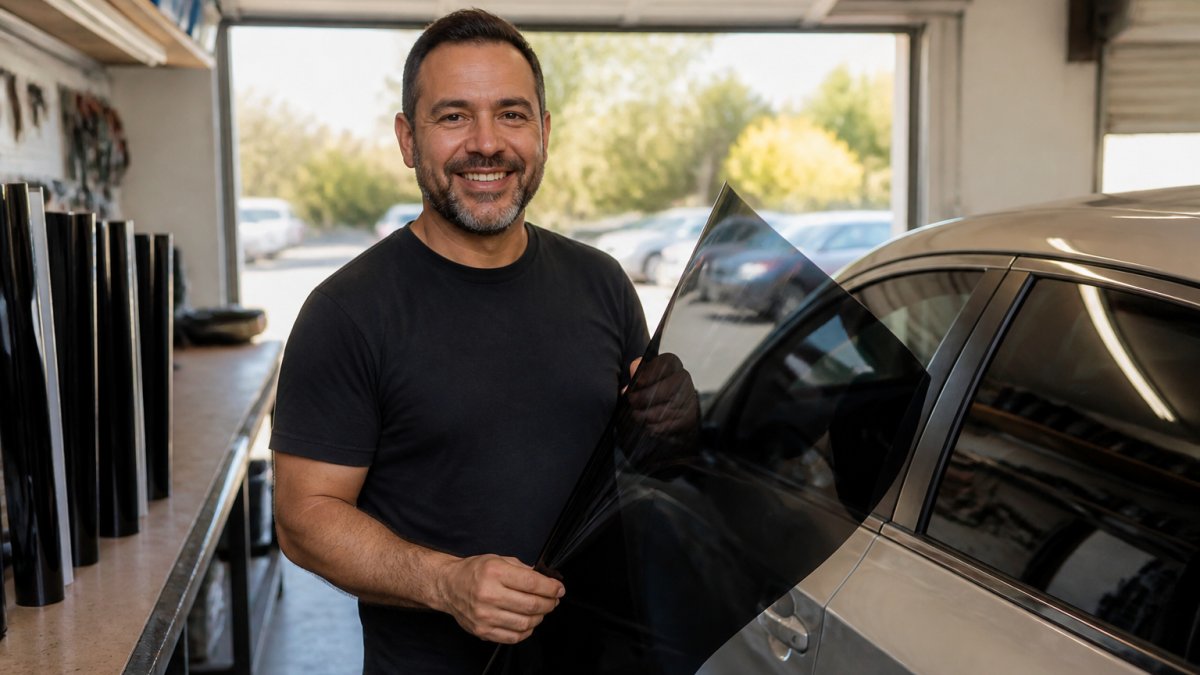
Ceramic tint for trucks is a premium window film made from non-metallic ceramic particles suspended in a polyester layer. Unlike dyed or metalized films, it blocks heat and UV rays without interfering with GPS or cellular signals. The microscopic particles let light pass through while absorbing infrared energy before it enters your cabin.
The film is applied to the interior surface of your truck's windows, where the adhesive bonds it permanently to the glass. As it cures over the next few days, the bond strengthens and becomes virtually invisible. Because ceramic particles are non-reflective, there's no metallic sheen, your windows look naturally tinted rather than coated.
What makes ceramic different is its composition. Dyed tint uses organic dyes that fade and offer limited heat rejection. Metalized tint reflects heat well but interferes with radio, cell, and GPS signals. Ceramic tint avoids both problems: its particles absorb infrared heat rather than reflecting it, and they don't conduct electricity, so your truck's electronics work normally.
Modern ceramic films deliver durability, optical clarity, and heat rejection that make them the preferred choice for truck owners who want long-lasting protection without compromise.
Heat Rejection and Infrared Protection
Ceramic tint for trucks reduces cabin temperature by blocking infrared radiation before it penetrates the glass. Infrared heat is invisible but represents roughly 50% of solar energy. Untinted windows let those rays pass through and warm your interior; ceramic particles absorb the energy and dissipate it outside your truck instead.
Heat rejection depends on the film's infrared rejection rating, which varies by product. Quality ceramic films reject 40% to 70% of total solar heat, with premium options reaching higher. Your interior stays measurably cooler on hot days, reducing the workload on your air conditioning.
The benefit is significant in summer: seats, dashboard, and steering wheel stay cooler to the touch, and your AC works less to reach your desired temperature, improving fuel efficiency and reducing wear.
Long-term, this heat reduction protects your interior materials. Leather dries and cracks under constant high temperatures, plastic becomes brittle, and dashboard fade accelerates. Keeping temperatures lower extends the life of these materials and maintains your truck's resale value.
Does Ceramic Tint Reduce Heat in Your Truck
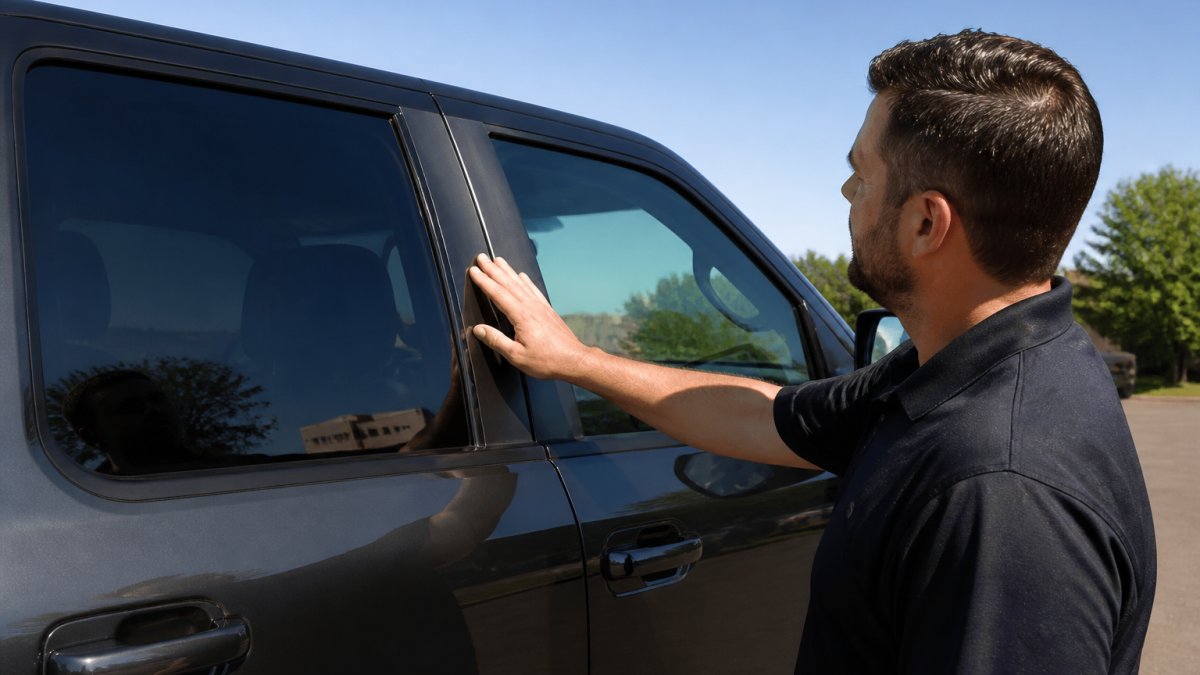
Yes, ceramic tint reduces heat in your truck by absorbing infrared radiation instead of letting it enter the cabin. Most truck owners report a 10-15°F drop in cabin temperature versus untinted windows, depending on tint percentage, film quality, and local climate.
The effectiveness works year-round: it keeps your truck cooler in summer and slows infrared heat escaping through the windows in winter, reducing heating demands. The benefit is most dramatic in summer, but protection is constant.
One clarification: ceramic tint reduces heat but doesn't eliminate it. Some solar radiation passes through even quality film, so your truck still gets warm in direct sun, just less hot than without tint.
Heat reduction also depends on tint percentage. Darker tints (lower visible light transmission) reject more heat: a 35% VLT film rejects more than a 50% VLT film. But darker tints reduce visibility and interior light, so the choice involves trade-offs.
UV Protection and Interior Fading Prevention
Ceramic tint blocks 99% of ultraviolet rays, the primary cause of interior fading and material degradation. UV rays damage leather, plastic, fabrics, and dyes, turning dashboard plastic gray, fading upholstery, and making leather brittle. Ceramic tint prevents most of this damage by keeping UV rays out.
The protection covers everything inside your cab: seats, steering wheel, dashboard, door panels, and personal items. Sunglasses left on the dash won't fade, interior color stays consistent, and leather keeps its suppleness longer.
This UV protection also benefits your health. Prolonged UV exposure increases skin cancer risk even through vehicle windows, and regular glass doesn't block all UV rays. Ceramic tint provides comprehensive protection, particularly important if you spend long hours driving.
Unlike some window films, ceramic tint's UV blocking doesn't degrade over time. Quality ceramic tint maintains its 99% UV rejection rating for the life of the film, typically 10+ years.
Ceramic Tint vs Regular Tint for Trucks
The difference between ceramic and regular tint comes down to material composition, performance, and longevity. Regular tint means dyed or metalized films, both with significant limitations.
Dyed tint uses organic dyes to absorb light and heat. It's cheapest and looks good initially, but the dyes fade under UV exposure, often turning purple or brown after 3-5 years.
Metalized tint contains tiny metal particles that reflect heat, rejecting 40-50% of solar heat, better than dyed but less than ceramic. The particles interfere with GPS, cellular, and radio reception, a real drawback for truck owners who rely on navigation and communication.
Ceramic tint outperforms both. It rejects 40-70% of solar heat and 99% of UV rays without interfering with electronics, doesn't fade or turn purple, and offers superior optical clarity that looks natural rather than obviously applied. It lasts 10+ years without significant degradation.
| Tint Type | Heat Rejection | UV Rejection | Signal Interference | Longevity | Cost |
|---|---|---|---|---|---|
| Dyed | 20-30% | Partial | None | 3-5 years | Low |
| Metalized | 40-50% | 95%+ | Yes (GPS/cell) | 5-7 years | Medium |
| Ceramic | 40-70% | 99% | None | 10+ years | High |
For truck owners who keep their vehicles long-term and want reliable performance, ceramic tint is the superior choice: the higher upfront cost is offset by longer lifespan, better heat rejection, and no signal interference.
Best Ceramic Tint Percentage for Truck Windows
Ceramic tint percentage refers to visible light transmission (VLT), which measures how much light passes through the film. A 50% VLT film allows 50% of light through and blocks 50%.
The best percentage depends on your priorities and local regulations. Most truck owners choose 35% to 50% VLT for side and rear windows, meaningful heat rejection and privacy with reasonable visibility. A 35% film is darker and rejects more heat; a 50% film is lighter and preserves more interior light.
Windshield regulations are stricter. Most states allow only non-reflective tint on the top 6 inches, or no windshield tint at all, check your state's rules first. Windshield tint is mainly aesthetic rather than for heat rejection.
A 70% VLT ceramic tint is popular for rear windows where visibility isn't critical, offering moderate heat rejection with a lighter appearance. For side windows where you need visibility while driving, 35-50% VLT is more practical.
Consider your use case. Long hours in direct sun favor a darker tint (35% VLT) for maximum heat rejection and interior protection. Mostly shade or maximum visibility favors a lighter tint (50% VLT). Many owners choose 40-45% VLT as a compromise.
Ceramic Tint for Trucks Cost and Value
Ceramic tint pricing depends on the number of windows, your truck's size, film quality, and installation complexity. Professional installation is essential for quality results, so labor is a significant part of the total price.
Most truck owners should contact Signs and Window Tinting LLC for a personalized quote, as pricing varies based on your specific truck model and tinting needs. We've been serving West Michigan customers since 1992 and can provide accurate pricing for your situation. Our Automotive Window Tinting services are designed to deliver premium results tailored to your truck. Visit our website or call for a free quote to understand the investment for your truck.
The value extends beyond the initial cost. Ceramic film lasts 10+ years without significant degradation, so you're not replacing it every few years like cheaper options. Heat rejection reduces AC workload and saves fuel over time, while UV protection prevents interior fading and preserves resale value.
If you're keeping your truck long-term, ceramic tint is a worthwhile investment, heat rejection, UV protection, privacy, and longevity justify the upfront cost. If you trade vehicles frequently, a cheaper option may be more cost-effective since you won't own the truck long enough to recoup the investment.
Installation, Curing, and Long-Term Maintenance
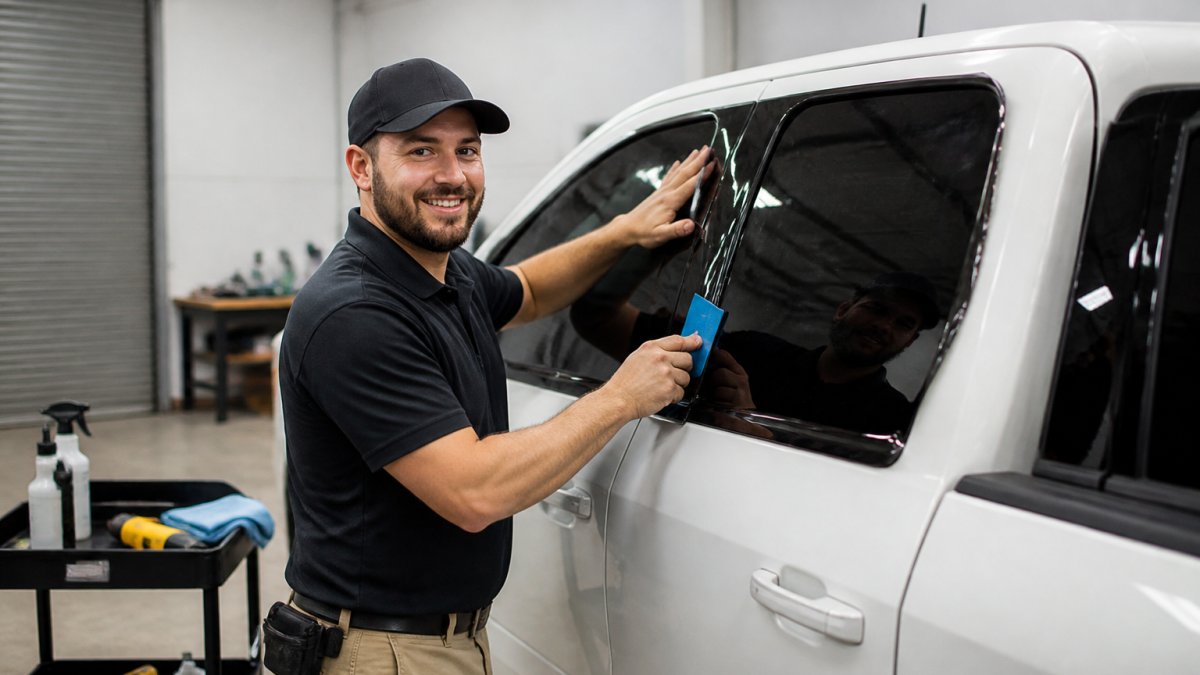
Professional installation is critical for ceramic tint performance and appearance. At Signs and Window Tinting LLC, our experienced technicians handle each step with precision to ensure your ceramic tint looks professional and performs as designed.
Curing time is important. After installation, the adhesive needs time to fully bond the film to the glass. Most ceramic tint cures within 3-5 days, though complete hardening can take up to two weeks in cold weather. During the curing period, avoid rolling down windows or washing the tinted windows.
Long-term maintenance is straightforward. Once cured, ceramic tint requires minimal care. Wash your windows normally with glass cleaner and soft cloths. Avoid abrasive materials or harsh chemicals that could damage the film. Most ceramic tints are highly durable and resist scratching, but gentle care extends their lifespan.
Ceramic tint doesn't require special treatments or maintenance products. Regular cleaning with standard glass cleaner is sufficient. The film won't peel, bubble, or turn purple if properly installed and maintained.
One consideration: if your truck is involved in an accident that cracks or breaks a window, the ceramic tint will need to be reapplied to the replacement window.
Ceramic tint for trucks delivers measurable benefits: reduced cabin heat, comprehensive UV protection, improved privacy, and long-term interior preservation.
Frequently Asked Questions
Does ceramic tint really keep a truck cooler?
Yes. Ceramic tint blocks infrared heat from entering your cabin by rejecting a significant percentage of solar heat. Most ceramic films block 40-60% of solar heat, which measurably reduces cabin temperature and decreases the load on your air conditioning system. The exact cooling effect depends on tint shade, film quality, and window exposure, but truck owners consistently report noticeably cooler interiors on hot days, especially on rear and side windows where solar exposure is highest.
What is the best ceramic tint percentage for a truck?
The best ceramic tint percentage depends on your priorities and local laws. For trucks, 20-35% visible light transmission (VLT) is popular for rear and side windows, dark enough for privacy and heat rejection but still allowing good visibility. Front windshields have stricter legal limits in most states, typically allowing only non-reflective tint on the upper 6 inches. Check your state's regulations before installation. A professional installer can recommend the right shade based on your truck's use and your comfort needs.
Is ceramic tint worth the extra cost compared to regular tint?
Ceramic tint costs more upfront but delivers superior long-term value. Unlike traditional dyed or metalized tint, ceramic film won't fade, turn brown, or degrade over time. It blocks more heat and UV rays, offers better optical clarity, doesn't interfere with GPS or cell signals, and lasts 10+ years without bubbling or peeling. For truck owners who drive frequently or park in direct sun, the durability, performance, and interior protection justify the higher initial investment. Get a free quote from Signs and Window Tinting LLC to compare pricing for your specific truck.
Does ceramic window tint block UV rays?
Yes. Ceramic tint blocks 99% of ultraviolet (UV) rays, protecting your skin and eyes during long drives and preventing UV-induced fading of your truck's interior leather, dashboard, and upholstery. This level of UV protection is consistent across quality ceramic films and is one of the primary reasons truck owners choose ceramic over regular tint. The UV blocking happens regardless of tint darkness, so even lighter ceramic shades provide full protection.
Will ceramic tint interfere with my truck's GPS or cell signals?
No. Ceramic tint is non-metallic and does not contain conductive materials that block electronic signals. Unlike metalized films, which can degrade GPS, cell, and radio reception, ceramic tint allows signals to pass through unaffected. This is a major advantage for truck owners who rely on navigation systems and mobile connectivity while driving.
How long does ceramic window tint last on a truck?
Quality ceramic window tint lasts 10+ years on a truck when installed and maintained properly. Unlike traditional dyed tint, which fades and turns brown within 3-5 years, ceramic film resists color degradation, doesn't bubble or peel, and maintains its heat and UV rejection performance over time. Proper curing (typically 3-5 days before rolling down windows) and basic maintenance, gentle cleaning with ammonia-free products, ensure maximum lifespan. Professional installation by experienced technicians like those at Signs and Window Tinting LLC is key to avoiding premature failure.