 blog
Best UV Protection Window Film for Home Windows
Last Updated: October 23, 2026
Quick Summary
UV protection window film works by absorbing or reflecting ultraviolet wavelengths before they penetrate your home, with quality residential window film capable of rejecting 99% or more of ultraviolet radiation. The best UV protection window film combines both absorption and reflection approaches to prevent fading of furniture, artwork, and flooring while maintaining natural light.
- Quality residential window film can reject 99% or more of ultraviolet radiation
- Clear UV blocking film has 70-80% visible light transmission while tinted films range from 35-70% depending on shade
- Professional installation typically costs more upfront but includes warranty coverage and superior durability compared to DIY
- South and west-facing windows receive the most intense UV exposure and benefit most from UV blocking film
- UV protection window film also reduces infrared transmission, improving energy efficiency and reducing cooling costs
Table of Contents
- How Window Film Blocks UV Rays and Protects Your Home
- Window Film That Blocks UV Rays: What the Numbers Mean
- Clear UV Blocking Window Film vs. Tinted Options
- Window Film Visible Light Transmission: Balancing Protection and Brightness
- Protecting Furniture, Flooring, and Artwork from Fading
- DIY Window Film vs. Professional Installation: What You Need to Know
- Choosing the Right Film for Your Home's Needs
- Frequently Asked Questions
How Window Film Blocks UV Rays and Protects Your Home
Ultraviolet radiation is a form of electromagnetic energy that passes through standard window glass, exposing your home's interior to harmful rays that fade furniture, damage artwork, and create discomfort. UV protection window film works by absorbing or reflecting these ultraviolet wavelengths before they penetrate into your living spaces.
The sun emits three types of UV radiation: UVA, UVB, and a small amount of UVC. Standard window glass blocks UVC naturally, but UVA and UVB pass through untreated windows. UV blocking window film contains specialized compounds that intercept these rays at the glass surface. When properly installed, quality residential window film can reject 99% or more of ultraviolet radiation, preventing it from entering your home.
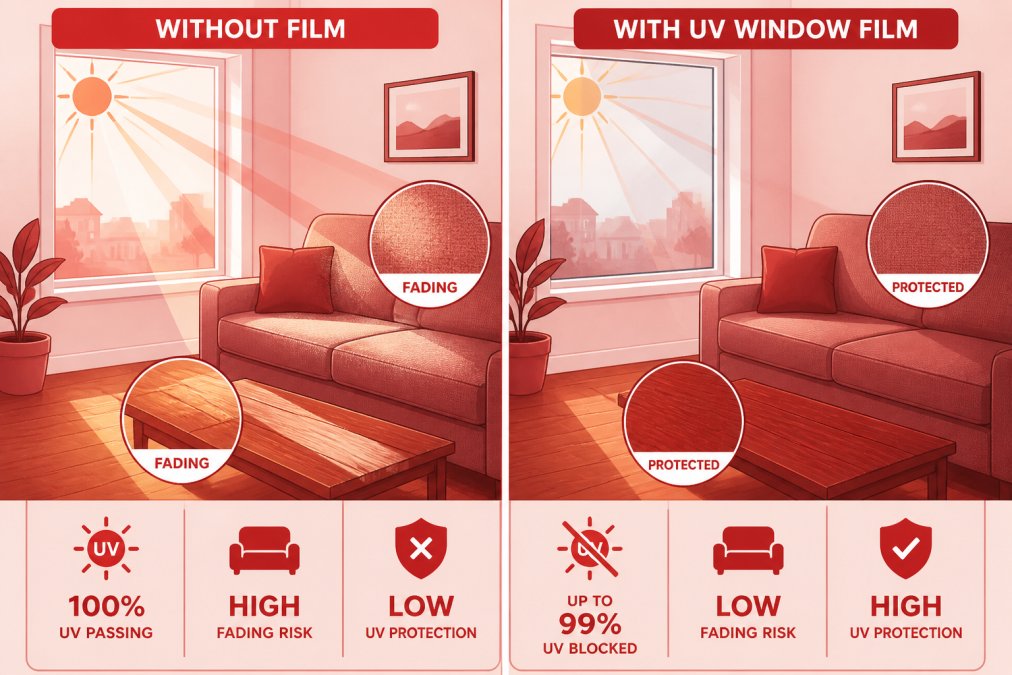
The protection works through two mechanisms: absorption and reflection. Some films absorb UV energy and convert it to heat that's released back outside. Others reflect UV rays away from the window. The best UV protection window film combines both approaches for maximum effectiveness. This dual action means your interior stays protected while maintaining the natural light you want inside.
Understanding how window film blocks UV rays helps you make informed decisions about which product suits your home. Different films offer varying levels of protection, visibility, and aesthetic appeal. The choice depends on your priorities: maximum UV rejection, maintaining brightness, or balancing both factors.
Window Film That Blocks UV Rays: What the Numbers Mean
Performance specifications for UV protection window film can seem confusing. When manufacturers claim 99% UV rejection or similar figures, they're measuring how much ultraviolet radiation the film stops before it reaches your interior. The remaining 1% represents the small amount that passes through, which is negligible for practical purposes.
UV rejection percentages are measured using standardized testing. A film that blocks 99% of UV rays leaves only 1% to penetrate. For residential applications, anything above 95% UV rejection provides meaningful protection.
Visible light transmission (VLT) is a separate measurement that indicates how much natural light passes through the film. A clear UV blocking window film might have 70-80% VLT, meaning 70-80% of visible light enters while UV rays are blocked. Tinted films typically have lower VLT values, ranging from 35-70% depending on shade.
Infrared light is another form of solar radiation distinct from UV. While UV causes fading, infrared creates heat. Quality window film that blocks UV rays often also reduces infrared transmission, improving energy efficiency. Some films are specifically engineered for solar control, rejecting both harmful rays and heat-producing infrared wavelengths.
Clear UV Blocking Window Film vs. Tinted Options
Clear UV blocking window film offers protection without changing your home's appearance. These films are nearly invisible once installed, preserving your view while stopping ultraviolet radiation. Clear film works best for homeowners who want maximum light transmission and don't want their windows to look noticeably treated.
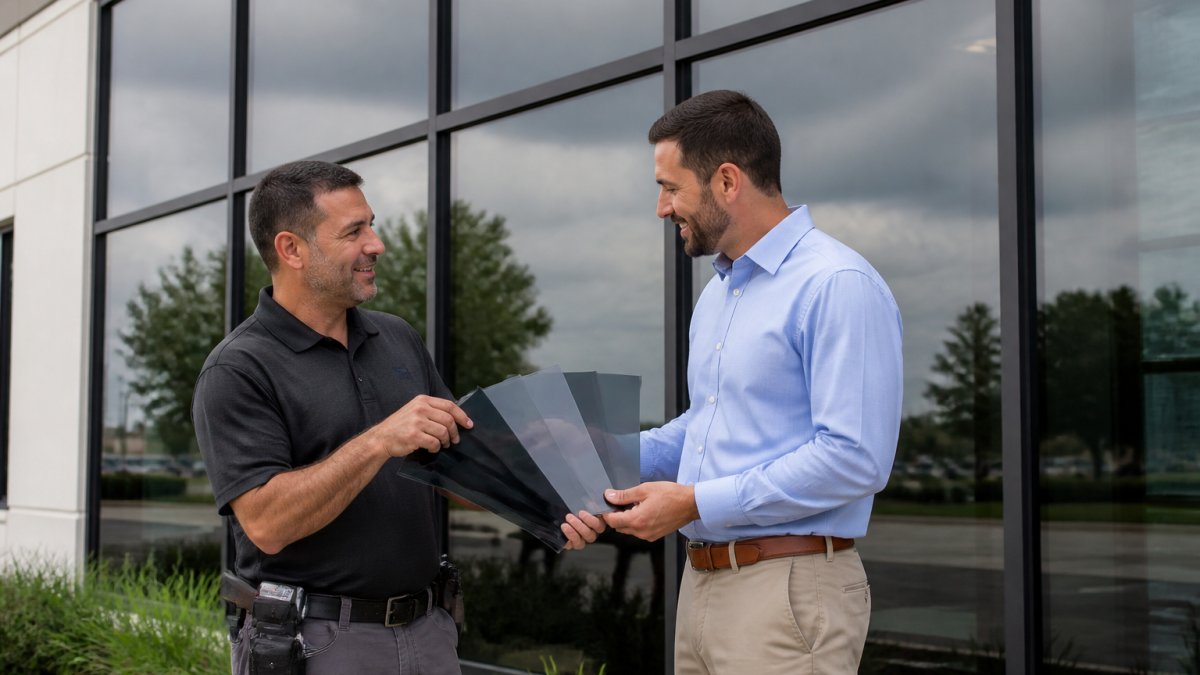
Tinted window film, by contrast, reduces visible light and creates a colored appearance. Tints range from light amber to dark gray or bronze. The shade you choose affects both aesthetics and light levels. Darker tints provide more glare reduction and heat rejection but also reduce the amount of natural light entering your home.
The choice between clear and tinted UV protection window film depends on your priorities:
- Clear film: Best for rooms where you want maximum natural light and an unaltered view. Ideal for living rooms, kitchens, and home offices.
- Light tint (35-50% VLT): Provides noticeable glare reduction and modest heat control while maintaining reasonable brightness. Works well for south-facing windows.
- Medium tint (20-35% VLT): Significant glare and heat reduction with noticeably darker appearance. Suitable for bedrooms or media rooms.
- Dark tint (below 20% VLT): Maximum heat and glare reduction but creates a heavily tinted look. Less common for residential interiors.
Clear film blocks UV rays just as effectively as tinted options. The difference is aesthetic and functional regarding light and heat. Many homeowners use clear film on most windows and add tinted film to problem areas like south-facing rooms that receive intense afternoon sun.
Window Film Visible Light Transmission: Balancing Protection and Brightness
Visible light transmission measures the percentage of natural light that passes through the film. Understanding this metric helps you choose film that protects without making your home feel dark or cave-like.
The relationship between UV protection and visible light transmission is independent. A clear film blocking 99% of UV rays might have 80% VLT, meaning it stops harmful rays while letting most light through.
For most residential applications, a VLT between 50-70% provides a good balance. This range offers noticeable glare reduction and some heat control while maintaining comfortable natural light levels.
Consider your room's use when selecting visible light transmission. Home offices and reading areas typically need higher VLT to maintain visibility and reduce eye strain. Bedrooms benefit from moderate VLT that reduces morning glare without requiring blackout curtains.
The best UV protection window film balances your UV rejection goals with your light preferences. If you prioritize maximum protection and don't mind reduced brightness, choose lower VLT. If natural light is essential, select higher VLT even if UV rejection remains excellent across options.
Protecting Furniture, Flooring, and Artwork from Fading
Fading occurs when UV radiation breaks down the chemical bonds in dyes and pigments. Fabrics, wood finishes, and artwork exposed to unfiltered sunlight fade noticeably over months and years. Window film that blocks UV rays prevents this damage by stopping ultraviolet radiation before it reaches your interior furnishings.
Furniture and upholstery are particularly vulnerable. Leather sofas, fabric chairs, and cushions fade fastest on sun-facing sides. UV protection window film dramatically slows this process. Homeowners report that rooms with window film maintain color vibrancy significantly longer than untreated spaces.
Wood flooring and furniture suffer similar fading. Hardwood floors develop uneven color in areas receiving direct sunlight, creating visible patches where UV has lightened the finish. Installing UV protection window film on south and west-facing windows prevents this uneven fading, maintaining consistent floor color throughout your home.
Artwork, photographs, and valuable textiles require particular protection. Museum-quality conservation practices emphasize UV filtering as essential for preserving art. Residential window film offers similar protection at a fraction of museum-grade film costs.
The fading protection benefit extends to window treatments themselves. Curtains, blinds, and shades fade from UV exposure. Quality UV protection window film keeps these treatments looking newer longer, reducing replacement frequency.
DIY Window Film vs. Professional Installation: What You Need to Know
Many homeowners consider DIY window film installation to save money. Pre-cut kits are available for standard window sizes, and installation appears straightforward. However, successful film application requires precision, proper technique, and quality materials that separate professional results from amateur attempts.
DIY installation challenges include air bubbles, wrinkles, and improper adhesion. Even small mistakes become visible and detract from your home's appearance. Films applied incorrectly may peel or separate within months, requiring removal and reinstallation. The learning curve is steep, and mistakes are costly to fix.
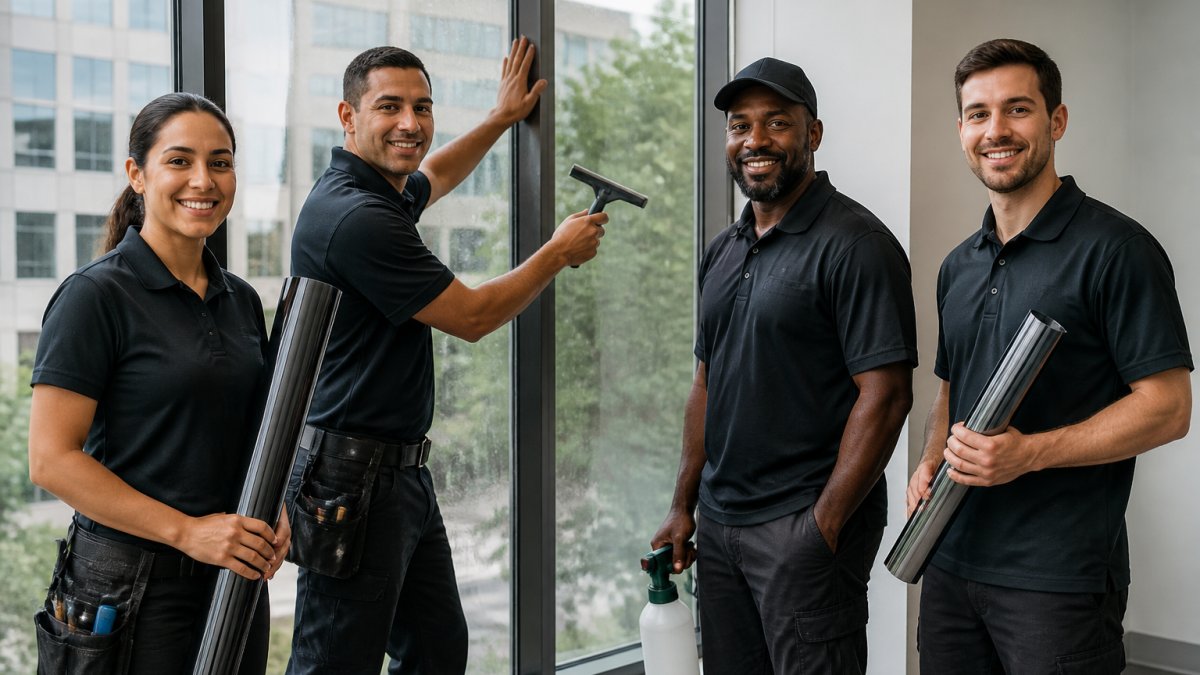
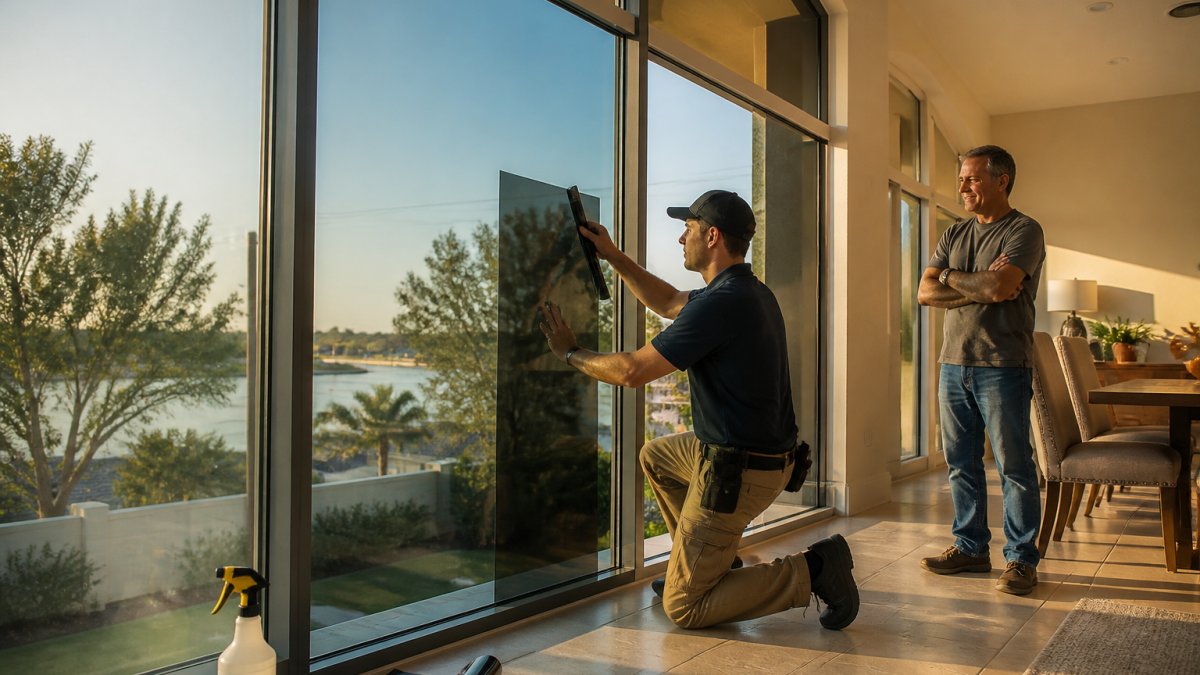
Professional installation ensures proper application, warranty coverage, and longevity. Technicians have specialized tools, experience with various window types, and knowledge of potential complications. They handle thermal stress concerns, work around window coatings safely, and apply film smoothly without bubbles or wrinkles. Whether you're looking for Residential Window Tinting or need guidance on the best approach for your home, professionals bring expertise that DIY simply cannot match.
| Aspect | DIY Installation | Professional Installation |
|---|---|---|
| Initial Cost | Lower | Higher |
| Skill Required | High | Handled by experts |
| Warranty | Limited or none | Typically included |
| Longevity | Often shorter | Extended durability |
| Appearance | Variable results | Consistent quality |
| Time Investment | 4-8 hours per window | 1-2 hours per window |
For most homeowners, professional installation provides better long-term value. The warranty protection alone justifies the investment, as it covers peeling, bubbling, and adhesion failures. Signs and Window Tinting LLC brings 35+ years of experience ensuring your UV protection window film is installed correctly and lasts for years.
Choosing the Right Film for Your Home's Needs
Selecting the best UV protection window film requires assessing your specific situation. Start by identifying which rooms need protection most. South and west-facing windows receive the most intense UV exposure and benefit most from UV blocking film.
Consider your priorities in order of importance. If fading protection is paramount, prioritize UV rejection percentage above all else. If glare and heat are your main concerns, balance UV protection with visible light transmission and infrared rejection.
Room function influences your choice. Living rooms and family spaces typically benefit from moderate UV protection with good light transmission. Bedrooms can use darker tints for additional privacy and glare reduction.
Window orientation and climate matter too. Homes in sunny climates need stronger UV protection than those in cloudier regions. West-facing windows experience intense afternoon sun and benefit from tinted UV blocking film.
The quality of the film itself affects performance and longevity. Premium films from established manufacturers offer better UV rejection, longer warranties, and superior durability.
Choosing UV protection window film for your home is an investment in comfort, preservation, and energy efficiency. The right film blocks harmful UV rays while maintaining the natural light and views you value.
Our team helps you choose the perfect film for your specific needs. We use premium films and proven installation techniques. Get a free quote today and discover how UV protection window film can transform your home's comfort and protect what matters most.
Frequently Asked Questions
Does residential window film really block 99% of UV rays?
High-performance UV protection window film can block 99% or more of ultraviolet radiation. The exact percentage depends on the film type and brand. Look for products that specify their UV rejection rate, most quality residential films block between 99% and 99.9% of UV rays. This level of protection significantly reduces fading of furniture, flooring, and artwork while also protecting your skin from harmful exposure through windows.
Will clear UV blocking window film make my home darker?
Clear UV blocking window film maintains high visible light transmission, meaning it allows most natural light through while filtering UV rays. You'll notice minimal change in brightness. Tinted films, by contrast, reduce visible light transmission and create a darker appearance. If preserving natural light is important, clear UV blocking films are the better choice for maintaining your home's brightness while still protecting against harmful rays.
What's the difference between DIY window film and professional installation?
DIY window film offers lower upfront cost but requires precision, proper tools, and skill to avoid bubbles, wrinkles, and peeling. Professional installation ensures proper application, longevity, and often includes warranties. Professional installers have experience with different window types, can address thermal stress risks, and deliver cleaner results. For residential windows, professional installation typically provides better long-term value and performance, especially for larger areas or complex window configurations.
Can window film protect furniture and flooring from fading?
Yes. UV rays are a primary cause of fading in furniture, flooring, artwork, and fabrics. UV protection window film blocks 99% or more of these harmful rays, significantly slowing the fading process. This is especially valuable for south-facing and sun-facing windows where sunlight is most intense. Combined with other measures like using window coverings during peak sun hours, window film provides reliable long-term protection for your interior furnishings and décor.